7 Non-Fiction Books That Feel Like Conversations With A Genius
- Authored by: Simran Sukhnani
- Updated Aug 12, 2026, 08:00 IST
What if the smartest people in history sat down and spoke directly to you? These 7 non-fiction books deliver sharp ideas, surprising insights, and the rare thrill of learning from minds that changed the world.
7 Non-Fiction Books That Feel Like Conversations With A Genius (Credits: Pinterest)
There’s a very specific high you get from talking to someone genuinely brilliant who also happens to explain things well, like your brain is being gently rewired in real time and you walk away seeing the world slightly differently. Most nonfiction does not do this. Most nonfiction is a guy with a TED Talk stretching one good idea into 300 pages. These 7 books are not that mansplaining kind. These are the ones that feel like you got cornered at a party by the smartest, weirdest person there, and you didn’t want to leave.
1. Gödel, Escher, Bach by Douglas Hofstadter
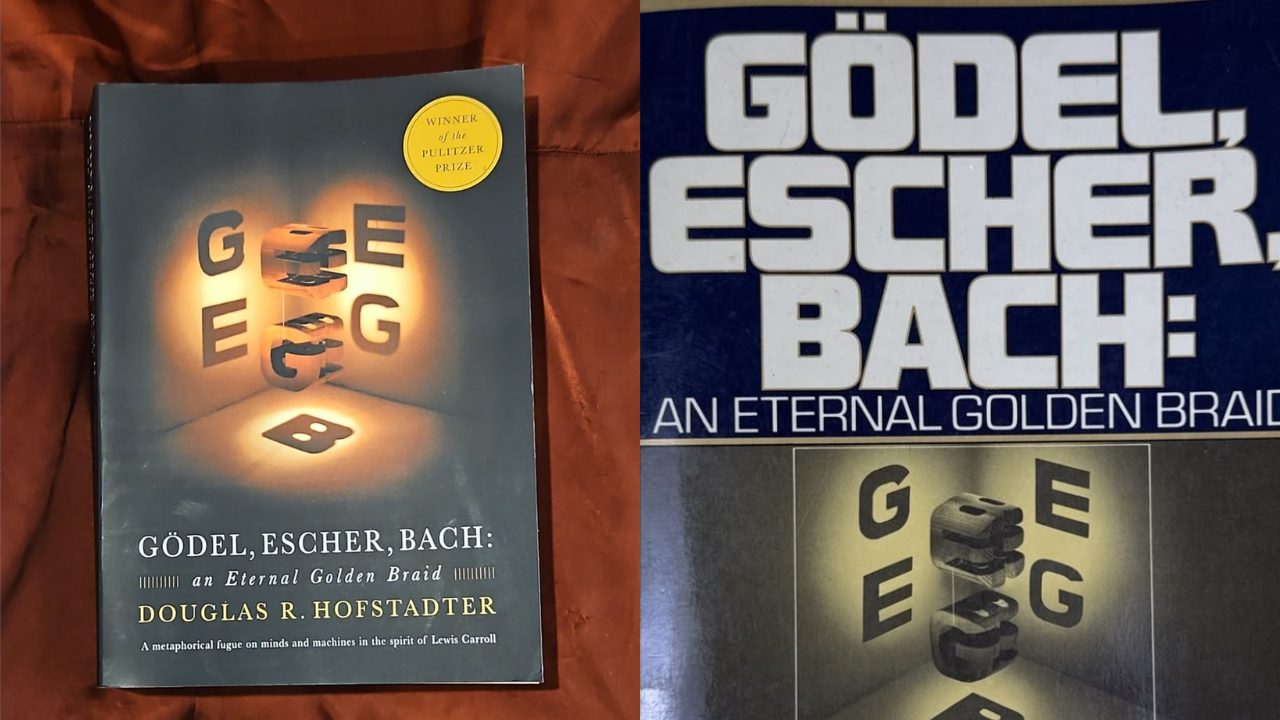
Godel, Escher, Bach by Douglas Hofstadter (Credits: Pinterest)
This book is what would happen if math, art, and music had a baby and that baby became obsessed with consciousness. Hofstadter weaves together logic puzzles, Bach fugues, and Escher’s impossible staircases to explain how minds might emerge from mindless matter. It’s dense, it’s playful, it has literal dialogues between fictional characters mid-chapter, and it will make you feel like you’ve unlocked a secret level of thinking. Not a beach read. Extremely worth it.
2. The Dawn of Everything by David Graeber & David Wengrow
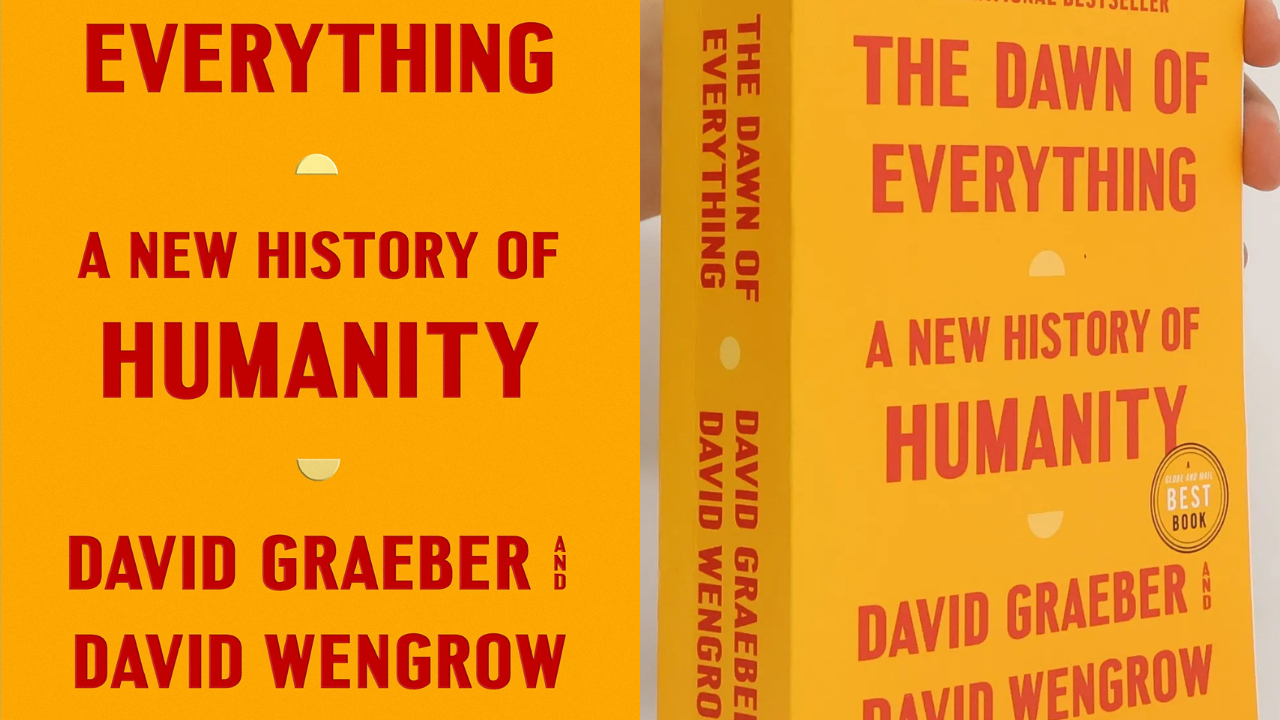
The Dawn of Everything by David Graeber & David Wengrow (Credits: Pinterest)
This one casually dismantles everything you were taught about how human civilisation ‘progressed,’ hierarchy, farming, cities, the whole story, and replaces it with something way messier, way more interesting, and honestly kind of liberating. Turns out our ancestors experimented with radically different social structures constantly, and the ‘inevitable’ march toward kings and bureaucracy was never actually inevitable. Reading this feels like finding out history class lied to you, but in a fun way.
3. Behave by Robert Sapolsky Sapolsky
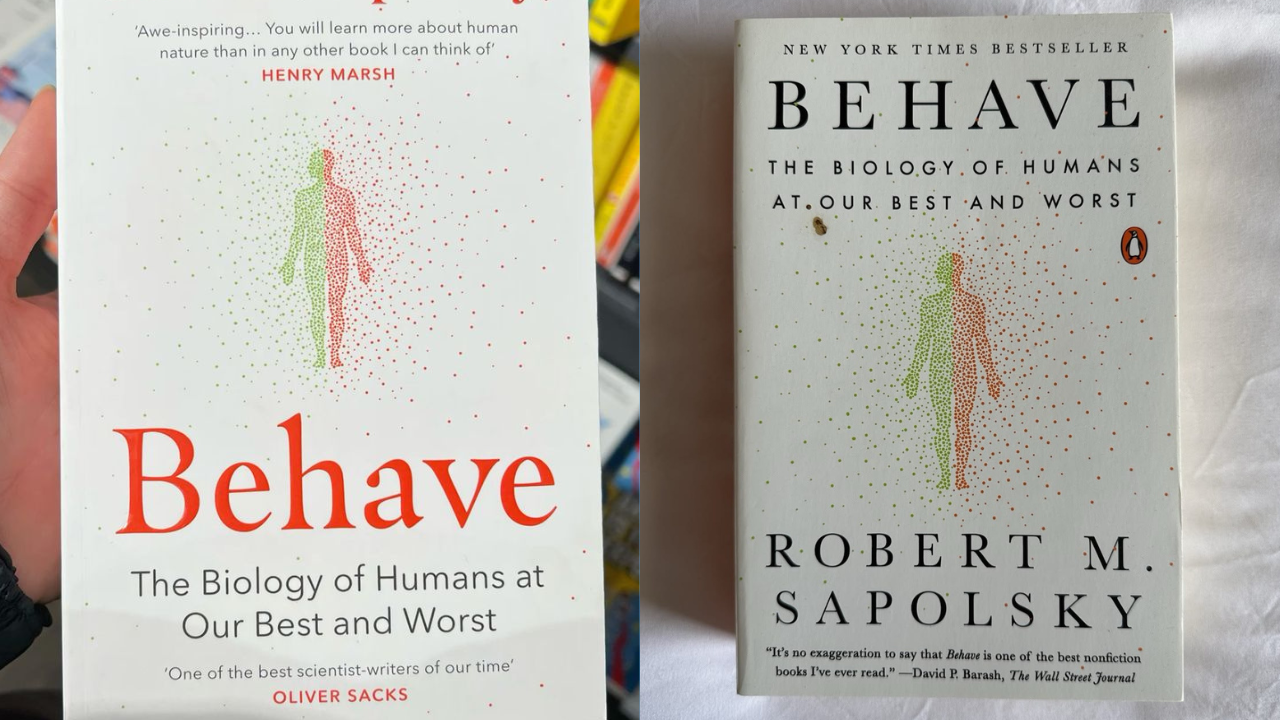
Behave by Robert Sapolsky Sapolsky (Credits: Pinterest)
This is a book by a neuroscientist who explains why humans do what we do, violence, kindness, love, cruelty, by zooming out second by second, then hour by hour, then all the way back to evolutionary time. He’s also just funny, in a self-deprecating professor way, which makes 800 pages about brain chemistry go down disturbingly easy. You will finish this book and immediately start diagnosing your own bad decisions in terms of amygdala activity.
4. The Order of Time by Carlo Rovelli
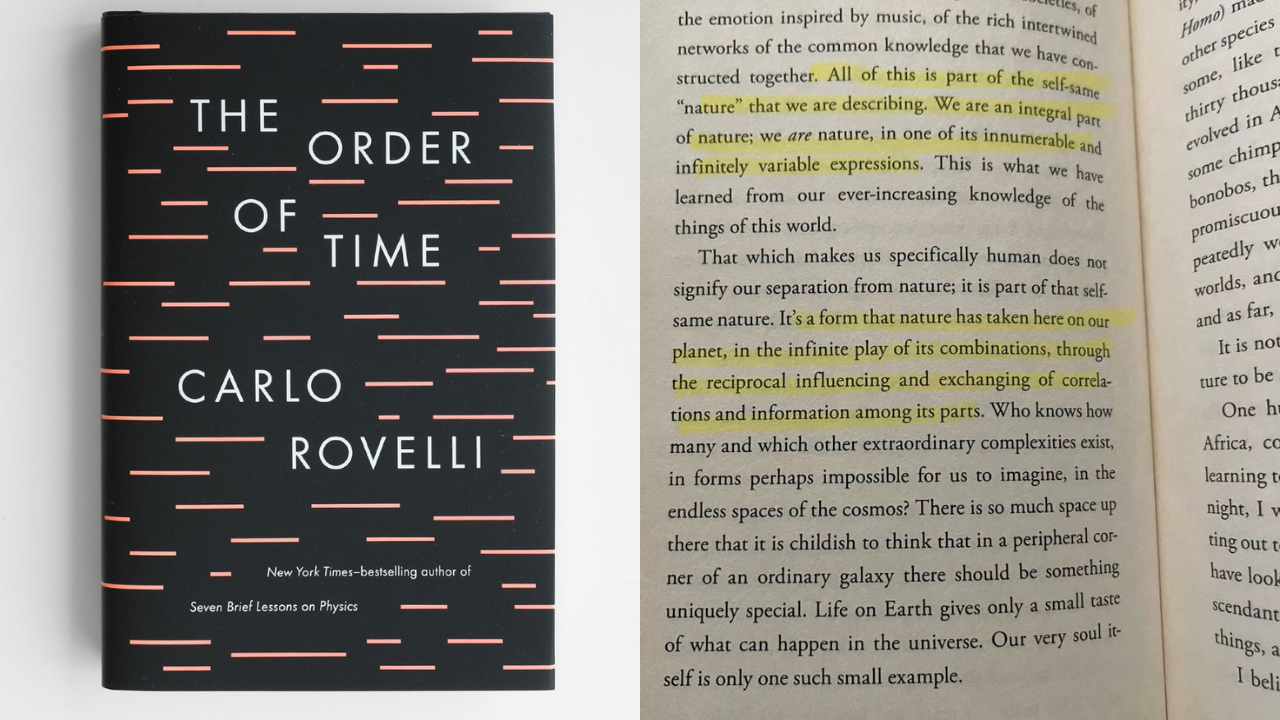
The Order of Time by Carlo Rovelli (Credits: Pinterest)
A physicist tells you that time, as you experience it, is basically an illusion built from your brain’s limitations — and somehow makes that sound romantic instead of terrifying. Rovelli writes physics like poetry, which sounds like a marketing line until you actually read a sentence of his and get chills. It’s short. It will still take you a week because you’ll keep putting it down to stare at a wall.
5. An Immense World by Ed Yong Yong
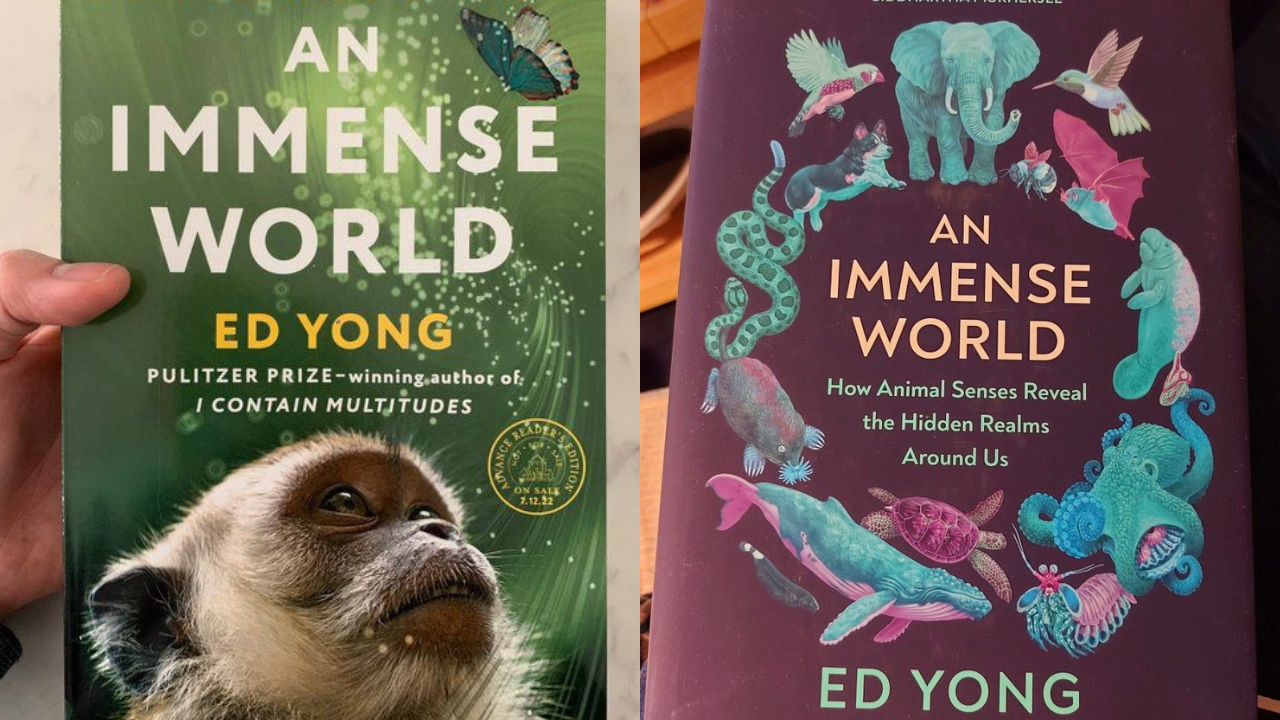
An Immense World by Ed Yong Yong (Credits: Pinterest)
This book takes you inside how animals actually perceive reality, echolocation, magnetic fields, electric senses, colors you cannot even imagine, and the effect is genuinely trippy. You finish this book realising the ‘world’ isn’t one objective thing, it’s a different simulation for every species, and yours is just one small, limited version. Great for feeling humbled in a fun, non-existential-crisis way, mostly.
6. Other Minds by Peter Godfrey-Smith
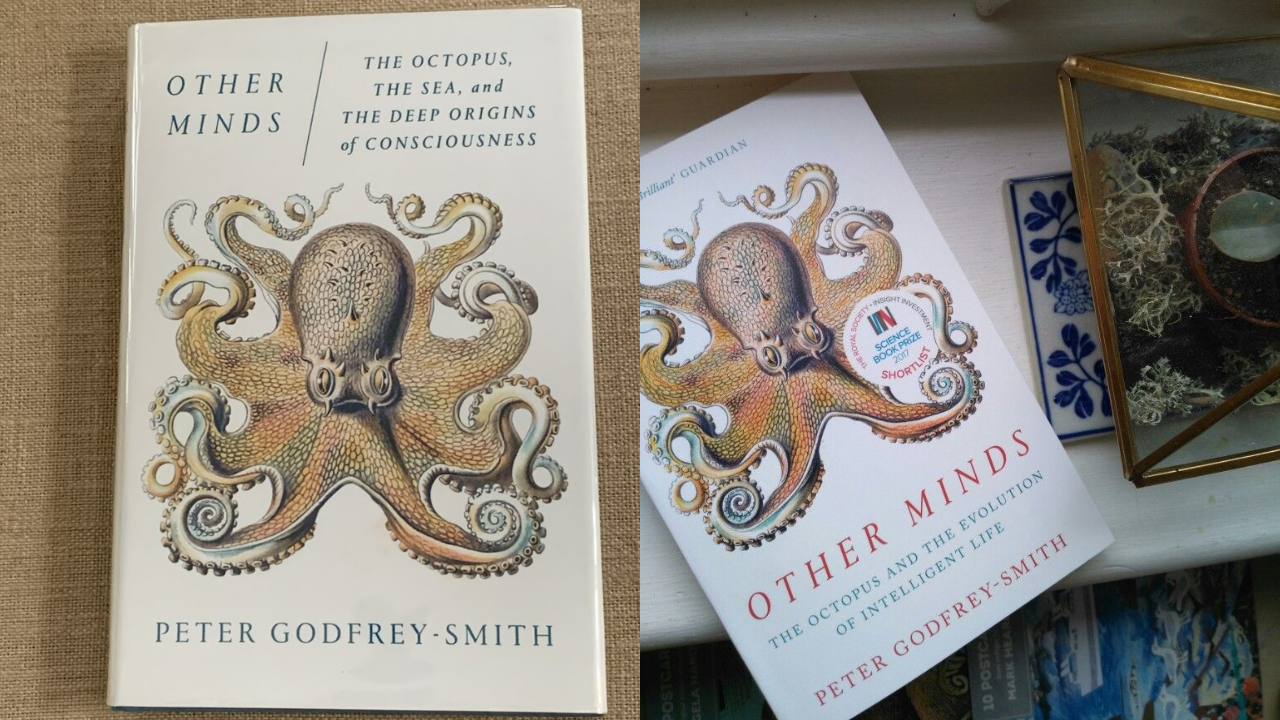
Other Minds by Peter Godfrey-Smith (Credits: Pinterest)
A philosopher who’s also a scuba diver writes about octopus consciousness, and it turns into one of the trippiest meditations on what it even means to have a mind. Octopuses evolved intelligence on a completely separate branch from us, which means talking to one (well, observing one) is the closest thing on Earth to meeting an alien. Genuinely mind-expanding, genuinely weird, genuinely a good time.
7. How to Do Nothing by Jenny Odell
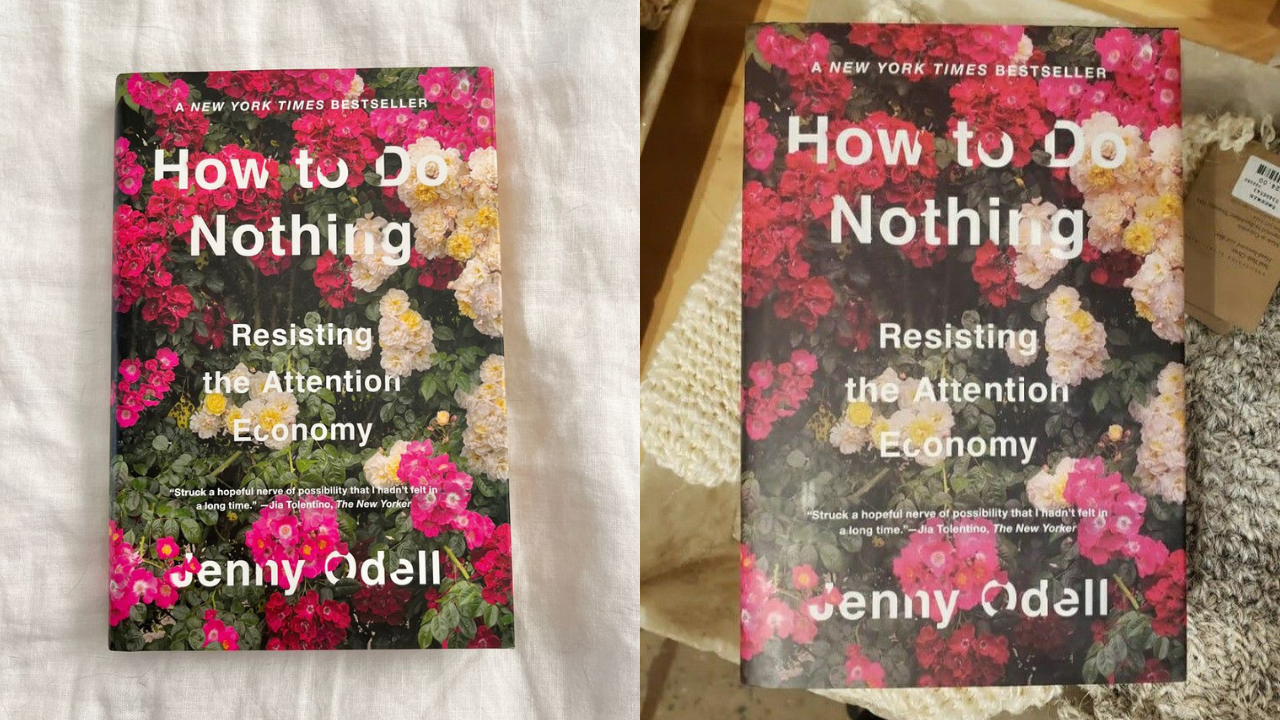
How to Do Nothing by Jenny Odell (Credits: Pinterest)
Don’t let the wellness-core title fool you, this is a sharp, art-history-flavored critique of the attention economy that never once tells you to ‘digital detox’ or buy a journal. Odell, an artist, argues for a kind of radical, alert attention to the actual world around you instead of the algorithm’s version of it. It’s the rare ‘put your phone down’ book that doesn’t feel preachy, mostly because it’s too busy being genuinely fascinating about birds, public parks, and 1930s labor strikes.
None of these books talk down to you, and none of them are the ones already sitting on every influencer’s bookshelf. They’re just genuinely, quietly brilliant, the kind of books that make you go quiet on public transport because you’re too busy having a small revelation.
Latest News


Simran covers books that start conversations, beauty insights, fashion moods, and stories that make people feel something. Off duty? You’ll find her c… View More
Original source: https://www.timesnownews.com/lifestyle