Why A Writer’s Final Novel Is Never Just Another Book
- Authored by: Girish Shukla
- Updated Aug 12, 2026, 10:00 IST
A writer’s final novel carries unusual weight, turning familiar themes into possible farewells and sometimes forcing readers to reconsider everything they thought they understood about a celebrated literary career.
Why A Writer’s Final Novel Can Change How We See Their Entire Career (Picture Credit – IMDB)
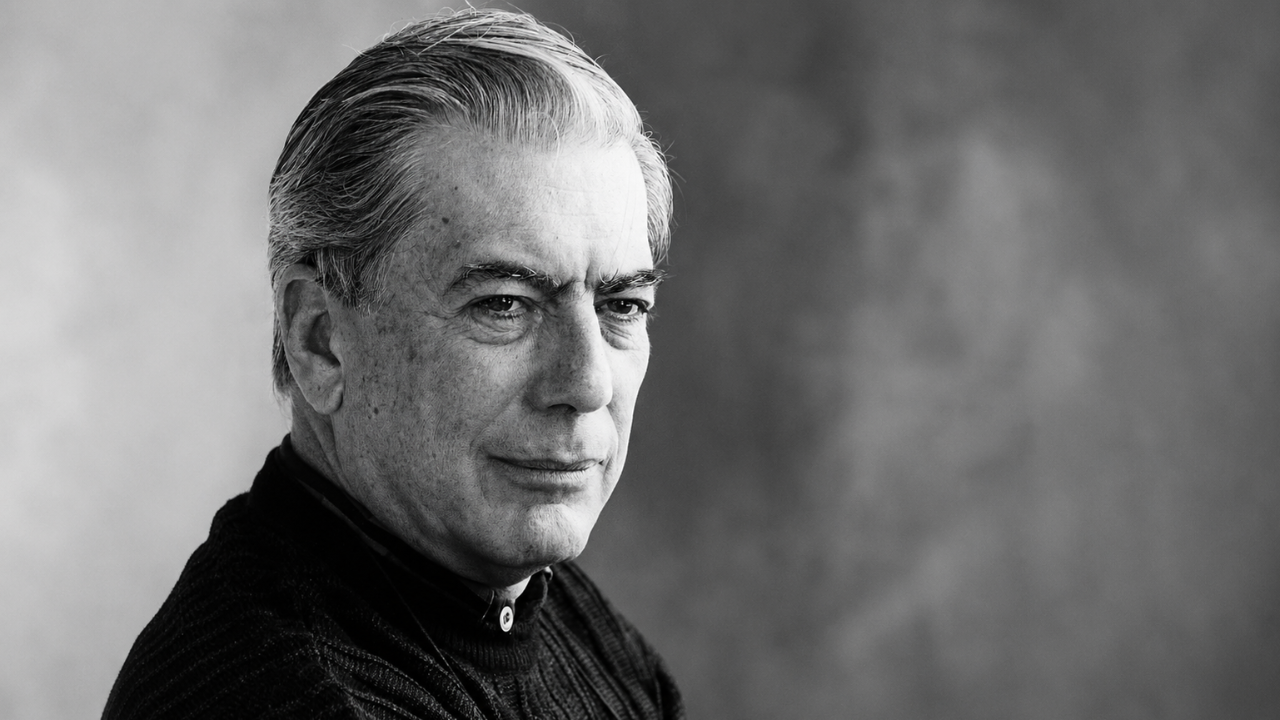
Most novels are allowed to stand on their own. A final novel rarely gets that luxury because readers approach it knowing there will be nothing afterwards. Every recurring obsession begins to look significant, every ending feels potentially autobiographical, and even an ordinary sentence can acquire the weight of a farewell. That peculiar burden now hangs over Mario Vargas Llosa’s ‘I Give You My Silence’, whose English publication has returned attention to the Nobel laureate’s final work of fiction.
Mario Vargas Llosa Returns To Peru One Last Time
Originally published in Spanish as ‘Le dedico mi silencio’ in 2023, the novel follows Toño Azpilcueta, an impoverished music journalist consumed by his love of Peruvian popular music. An encounter with the gifted guitarist Lalo Molfino inspires him to imagine that Peru’s musical traditions might accomplish something politics repeatedly failed to do: bring a fractured country together. It is an eccentric premise, but also one that brings Vargas Llosa back to the country that haunted, provoked and nourished his fiction for more than six decades.
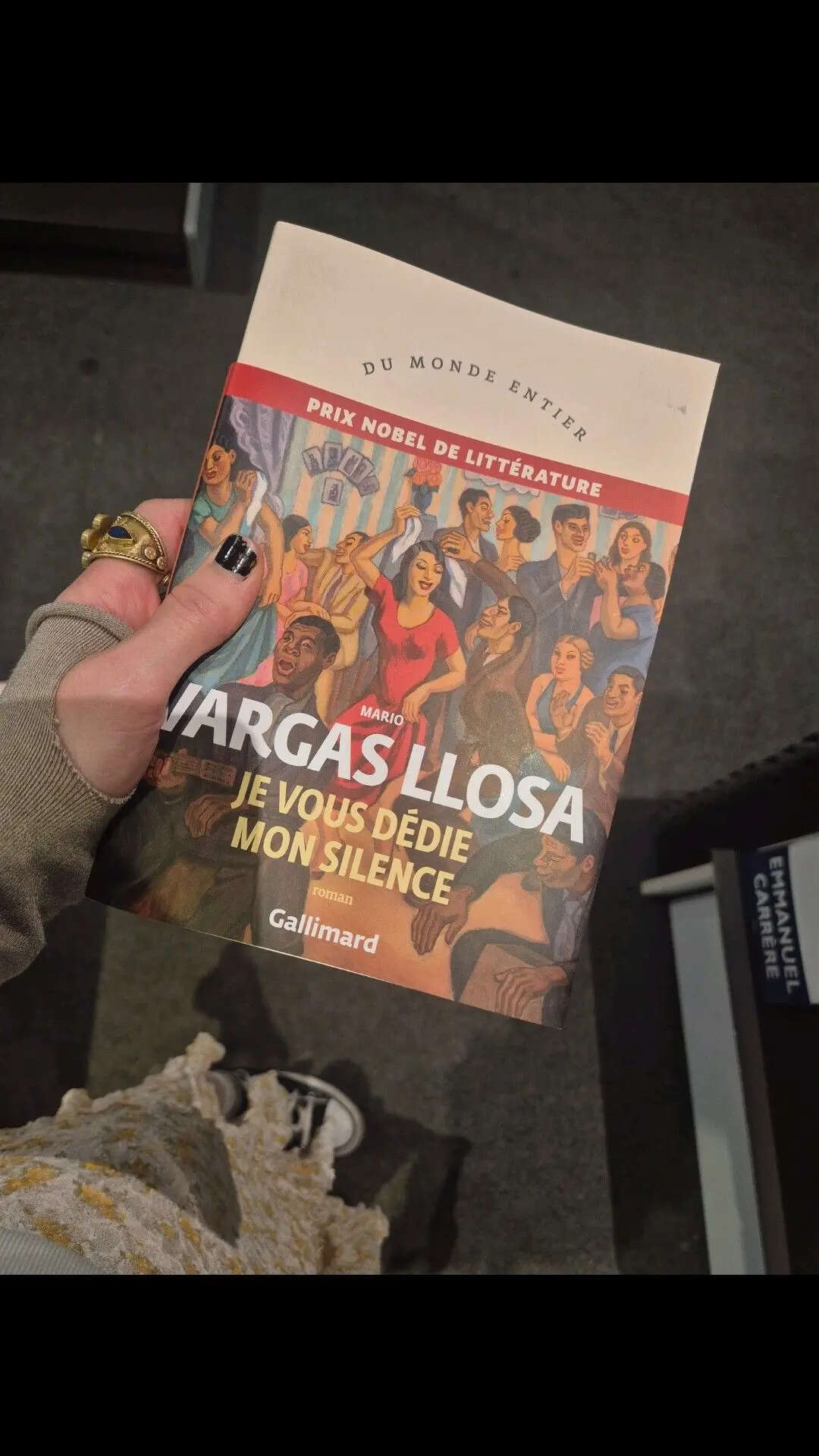
I Give You My Silence (Picture Credit – Pinterest)
Peru was never simply scenery in Vargas Llosa’s writing. From ‘The Time of the Hero’ and ‘Conversation in the Cathedral’ to ‘The War of the End of the World’, his fiction repeatedly examined how individuals are shaped and damaged by political systems, social hierarchies and competing ideas of freedom. ‘I Give You My Silence’ approaches the question from an unexpectedly affectionate direction, wondering whether music can create the unity that ideology cannot. The emphasis on the Peruvian vals, or waltz, makes the novel feel less like a political diagnosis than a final conversation with a homeland he spent his career interrogating.
There is also little ambiguity about its position in Vargas Llosa’s career. In an author’s note, he announced that it would be his final novel, although he still intended to finish an essay on Jean-Paul Sartre. That knowledge inevitably changes how Toño’s almost impossible faith in art is perceived. A character dreaming that culture might repair a divided nation begins to resemble one last variation on questions Vargas Llosa had been asking throughout his writing life.
When The Last Book Changes Everything Before It
This strange backward illumination is what makes final novels fascinating. Once a career is complete, the last book becomes part of the interpretation of everything that preceded it, whether the writer intended that or not. Readers start searching for continuities, departures and evidence of where decades of thinking finally led. Sometimes the final work reinforces our understanding of an author, while at other times it complicates it completely.
Toni Morrison’s ‘God Help the Child’, published in 2015, is a particularly revealing example. Her eleventh and final novel centres on Bride, a successful young woman whose dark skin made her the object of rejection during childhood, and returns to Morrison’s enduring concerns with race, beauty, cruelty and the persistence of childhood wounds. Yet instead of retreating towards the historical landscapes associated with novels such as ‘Beloved’, Morrison placed the story firmly within contemporary America. Her final novel consequently demonstrated that she was still testing familiar questions against new circumstances rather than simply summarising a lifetime’s work.
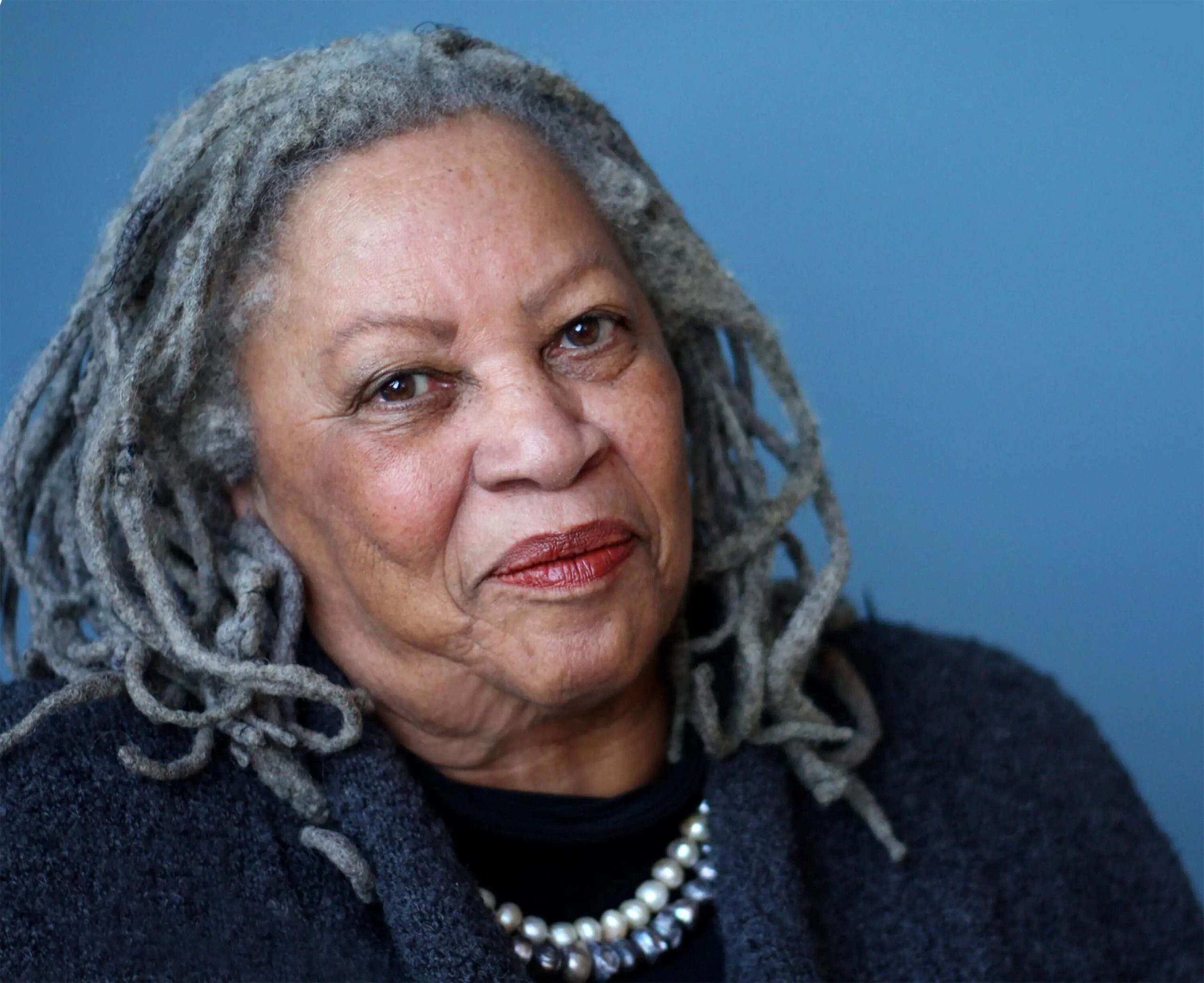
Toni Morrison (Picture Credit – Michael Lionstar/AP)
There is an important difference between Morrison’s final novel and Vargas Llosa’s, however. Morrison did not publish God Help the Child as an announced farewell, and she lived for another four years after its appearance. The book became her final novel because life made it so, not because she deliberately constructed it as the conclusion to her fictional career. Calling something a writer’s “last word” can therefore impose an intention that never existed.
When The Final Novel Was Never Finished
Ernest Hemingway presents an even stranger version of the problem. ‘The Garden of Eden’ was published in 1986, 25 years after Hemingway’s death, from a manuscript on which he had worked intermittently between 1946 and 1961. Set largely in France and Spain, it follows writer David Bourne, his wife Catherine and another woman, Marita, through a psychologically complicated exploration of desire, marriage and identity. The material can feel startling beside the popular image of Hemingway as the great chronicler of war, bullfighting, hunting and stoic masculinity.
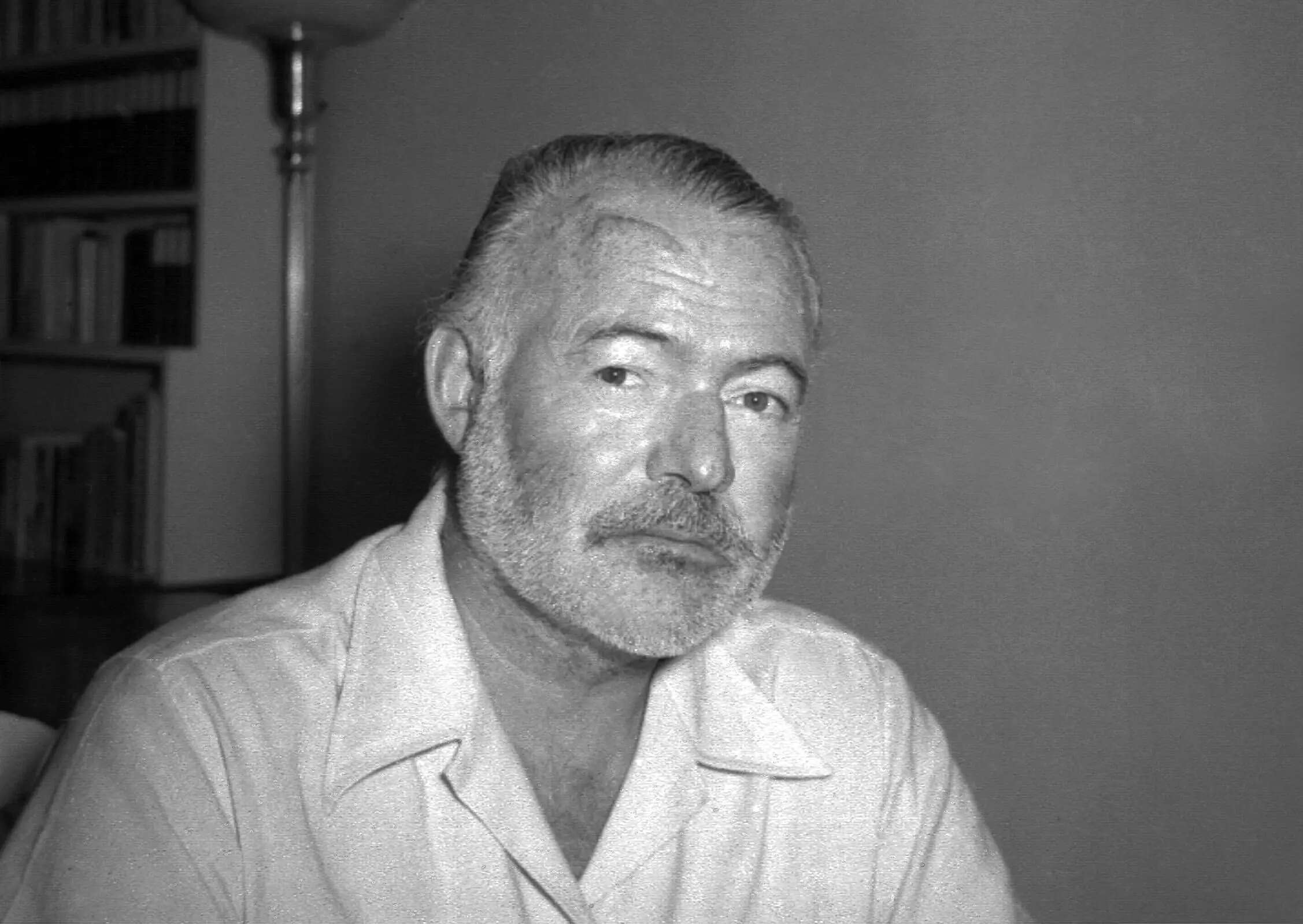
Ernest Hemingway (Picture Credit – AP Photo)
That difference has helped make ‘The Garden of Eden’ fascinating, but its status as a final novel comes with a serious qualification. Hemingway never completed the manuscript for publication, and the version eventually released was substantially shaped after his death. Readers are therefore encountering both Hemingway’s unfinished intentions and editorial decisions made without him. His case exposes the danger of treating every final novel as a carefully composed literary testament simply because it happened to arrive last.
Why We Search Final Books For Goodbyes
Readers nevertheless find it difficult to resist looking for farewells. Once we know that a book closes a career, seemingly ordinary details can begin to resemble coded messages from an author preparing to leave the stage. We wonder whether an ending was meant as an epitaph, whether an ageing character stands in for the novelist, or whether a return to an old subject represents deliberate closure. Literature rarely provides such convenient certainty, but human beings are exceptionally good at finding patterns once they know where a story ends.
That is what makes ‘I Give You My Silence’ particularly intriguing. Unlike Hemingway’s unfinished manuscript or Morrison’s retrospectively final novel, Vargas Llosa knew he was bringing his career as a novelist to a close. Yet he did not conclude with an enormous political epic designed to summarise everything he believed. He chose instead to write about music, obsession and the stubborn fantasy that culture might succeed where politics repeatedly fails.
Perhaps that is the real gift of a writer’s final novel. It does not have to explain the career that came before it, and the most interesting ones often refuse to behave like monuments to their creators. Morrison moved emphatically into the present, Hemingway left behind fiction capable of unsettling assumptions about Hemingway himself, and Vargas Llosa returned to Peru through the unlikely possibility of music healing national divisions. Their final novels leave us not with tidy summaries, but with reasons to look backwards and realise that even after a lifetime of books, a writer can remain capable of surprising us.
Latest News


Seasoned Editor and Author with over a decade of experience in literary journalism, author interviews, and publishing trends. Known for curating impac… View More
Original source: https://www.timesnownews.com/lifestyle