Top US Professor Explains the ‘Freeze’ Response Behind Procrastination – and How to Beat It
- Authored by: Aalokitaa Basu
- Updated Aug 17, 2026, 07:00 IST
Top US experts on Timesnownews.com – From geopolitics to AI to lifestyle, get the views from the best in the world.
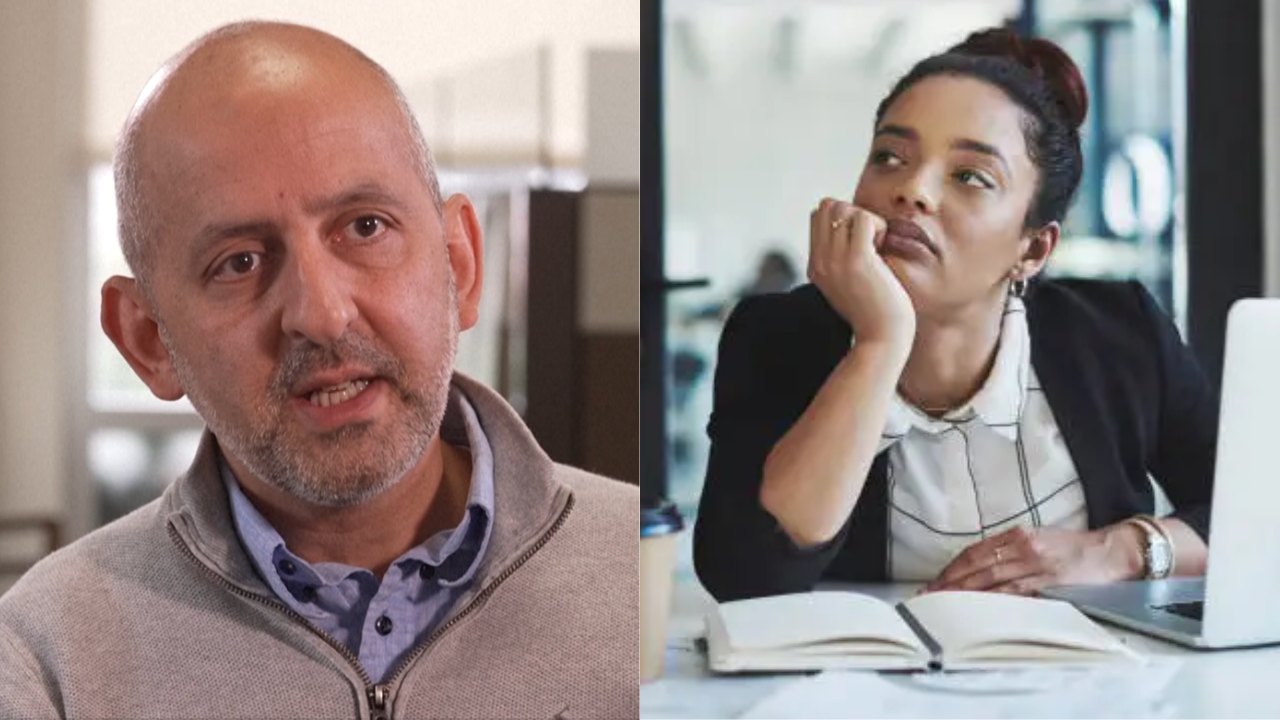
Procrastination could be less about laziness and more about fear (Credit: AP, iStock)
It’s easy to put down procrastination as a specimen of someone being lazy, having poor time management skills and even a lack of discipline. But when the feeling comes from a space of crippling overwhelm as opposed to a sheer lack of care, it’s less a behavioural problem and more a mental health crisis. Dr. Arash Javanbakht, Director of the Stress, Trauma and Anxiety Research Clinic at Wayne State University School of Medicine and professor of psychiatry, explains that procrastination can be a form of the brain’s freeze response when a person perceives a task as a threat.
“So, we have this fight and flight response to fear, but we also have the freeze response. When the task or what is in front of us is seen as a big threat and we don’t know how to handle it, we freeze, and procrastination, a lot of times, is a freeze response to a task that looks too big, difficult. And we don’t perceive having the skills to do that and we are not able to break it into pieces that are doable, and that leads to procrastination because we know we need to do it, we are still focused on it, but we cannot take action. We basically freeze,” he says.
Dr. Javanbakht doesn’t dismiss laziness as a factor all together, but he also emphasises how attributing the entirety of the experience to it could very well be erroneous in several cases. Because fear can also make people avoid things they actually care deeply about. “Parts of it could be laziness. There are times that people are not motivated enough for something. I wouldn’t call it necessarily laziness, lack of motivation or focus being in other places. Sometimes, also procrastinations because I don’t like something,” he explains, painting a picture most can relate to: “Let’s say I was forced to do a task by my boss, or I have decided because my parents wanted to go to this field of studying and I don’t like it. So, I procrastinate because part of me doesn’t want it, pushes it away. But sometimes, it’s also feeling helpless in front of the task that feels so big.” He adds, “So, sometimes, actually, it’s interesting, paradoxically, we think something is so important for us that we are terrified of touching it. It’s like someone who has wanted to ask someone out and they’re very excited about them, but they’re terrified that they will not say yes to them or they will say no to them, and that’s why they will never ask.”
The usual route for the fear to take in this case is pushed by the belief that making a mistake will have serious consequences. In such situations, freezing can feel safer than taking action: “Because when the threat feels big and we don’t have an answer to it, the safest way evolutionarily is to freeze and not do anything, the same way a rabbit when they see the hawk is coming and they have no other way, to just freeze there. So that’s why tasks that are perceived as humongous and the tasks which I feel, if I make a mistake or if I don’t do it, there will be a huge consequence, that’s when we procrastinate.”
Dr. Javanbakht does clear how this fear can be metabolised in the right direction, but it’s all about one’s willpower in this regard: “But then, there’s also ways to overcome that fear, basically creating a bigger fear that, if I don’t do that…using that fear as energy. Because sometimes, fear paralyzes me because I don’t do anything with it. But I always say fear has energy, and I can try to utilize that energy of that other bigger fear to overcome this tinier fear.”
In many cases, the fear of not doing anything can also overtake the fear of doing it wrong, putting one in a dilemma, within an already existing dilemma: “The bigger fear kicks in now that, ‘OK, if I don’t do this, I will lose my job.’ Until then, it was, ‘This is a big task. This is a big cognitive load. I cannot do it. I cannot choose to tackle it.’ But now, ‘If, from here, I don’t do it, I will fail that exam or will lose my job’. So that bigger fear starts pushing us towards moving. And also, a lot of us have basically grown up doing that. When we were kids, a lot of times, we would procrastinate and study the last night. So, our system is more trained in doing these at the last minute.”
Now as counterproductive as this argument may sound for somebody truly experiencing procrastination paralysis, the anticipation of a task can often make it seem more frightening than it actually is. Avoiding it can then reinforce the fear, while also reducing the time, resources and confidence available to deal with it. Dr. Javanbakht explains, “I say anticipatory fear is always bigger than the reality, and, of course, I’m talking about normal life. I’m not talking about a battlefield, right? In normal life, if you look back, most of the times, we were worried about something. The worry was bigger than the reality of the danger. So, the more we avoid, the more we create that idea of something dangerous. And, of course, because we have lost time, we have lost resources, and we have lost confidence in ourselves, it becomes harder, and that’s why I say jump in it. Because if you jump in it, the worst is that you will be able to do some of it. And sometimes, you break it into tinier tasks, which makes it more tangible and easier to do.”
But what can one do to actually overcome this default freeze response the brain and body flock to when faced with perceptively ‘big’ tasks? The answer is actually rather simple. “First thing is to remember that, in the past, you have been able to do these things. Basically, sometimes, I need a reminder of self-esteem that, ‘OK, I wasn’t born yesterday. I’ve done a lot of these things. I’ve managed a lot of these things.’ “, he explains. He elaborates his point through another supremely relatable example: “The other way is to talk to people. Let’s say, if I’m procrastinating about an exam because I don’t know which book to read, I can talk to my other peers, talk to my professor, talk to people who know. Because the more I know about what I’m afraid of, the easier I can control it. And coming to control, see what I can control. What are the parts of it that I have full control on? Let’s start there. Let’s start the chapters that are easier for me. Now that I’ve done some of it, gradually, I’m exposing myself to what I’ve been avoiding and I can do more. And also, I’m more invested cognitively in it.”
The most important piece of advice that potentially comes Dr. Javanbakht in this regard, is to not isolate oneself – do not dismiss the energetic imprint of a social environment. “Some other ways are doing it alongside other people who are doing it. Why do people go to the library? Because the mood of the environment helps me study. People study together. People go to the gym together. We use that social influence and motivation to be able to do it. And remember that, at the end of the day, what you will lose if you don’t do that?…When you talk and think about opportunities, then you engage the reward secretary of the brain, rather than just the fear secretary, and you can more excitedly engage with the task,” he shares.
Dr. Javanbakht’s advice can very well be condensed into one sentence: You don’t have to see the whole staircase, just take the first step.
Latest News


Aalokitaa Basu is a writer and Senior Copy Editor whose work explores the intersection of lifestyle, culture, beauty, wellness, and self-possession. H… View More
Original source: https://www.timesnownews.com/delhi