Har Dayal: The Oxford Scholar Who Walked Away From It All To Fight The British Empire
- Authored by: Girish Shukla
- Updated Aug 17, 2026, 13:43 IST
He won Oxford’s finest prizes, then handed them back rather than take the empire’s money. Har Dayal went on to spark the Ghadar revolt, before renouncing revolution altogether.
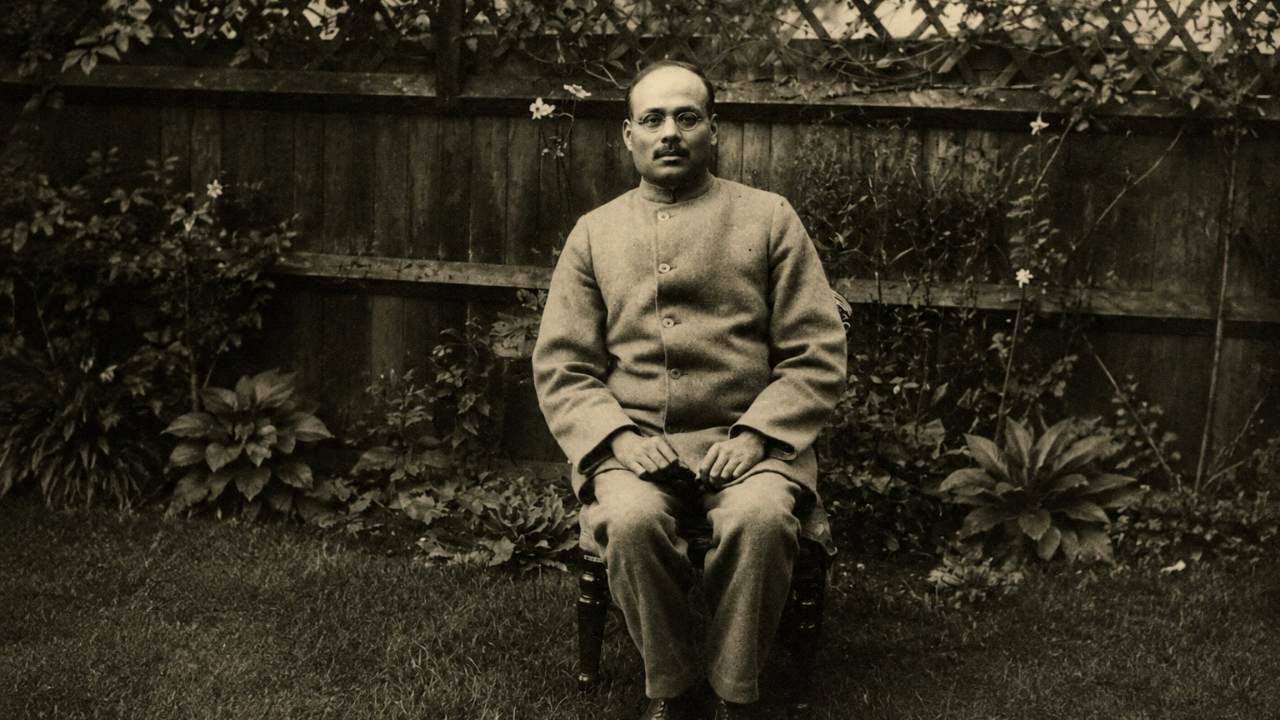
Har Dayal The Oxford Prizeman Who Handed Back The Empire’s Money To Fight It (Picture Credit – South Asian American Digital Archive)
In 1907, a young Indian at Oxford did something almost nobody in his position would dream of. Har Dayal had just won two of the most coveted prizes the university could offer a Sanskrit scholar, the Boden Scholarship and a St John’s exhibition, on top of the Government of India scholarship that had brought him to England in the first place. A brilliant academic career, and very likely a comfortable colonial one, lay open in front of him. He gave it all back. He resigned his state scholarship on principle, deciding he could not take the empire’s money while working to end the empire. It was the first of many times Har Dayal would walk away from the safe path, and the beginning of one of the strangest lives in India’s freedom struggle.
The Prodigy From Delhi
Har Dayal was born in Delhi in 1884 into a Kayastha family that prized learning. He raced through St Stephen’s College and then a master’s in Sanskrit at Punjab University, a scholar of rare gifts, before the scholarship to St John’s College, Oxford carried him abroad in 1905. In London he fell into the orbit of Shyamji Krishna Varma and the revolutionaries who gathered at India House in Highgate, and the certainties of his education began to give way to something more dangerous. By the time he surrendered his scholarship, the making of a rebel was already well underway.
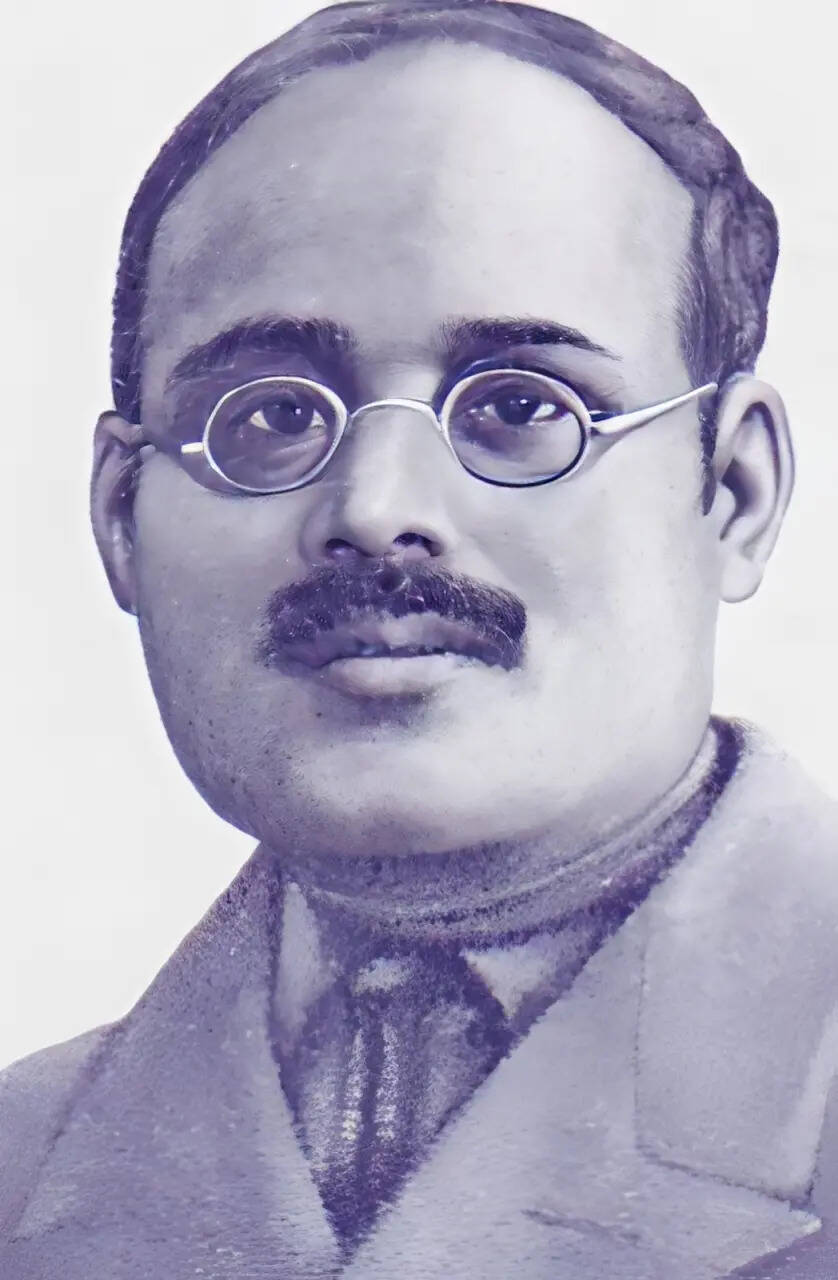
Har Dayal: The Scholar Who Lit The Ghadar Movement, Then Tried To Put It Out
A Revolutionary Without A Country
What followed reads like a novel of exile. He returned to India in 1908 to stir resistance, found the colonial government blocking him at every turn, and left again, this time for good. In the following years, he moved restlessly across Paris and Europe, writing anti-British propaganda and mixing with figures such as Madame Bhikaji Cama. Then, in 1910, the wandering scholar surfaced in an unlikely place, at Stanford University in California, appointed a lecturer in Indian philosophy and Sanskrit. He had gone, in the space of a few years, from Oxford prizeman to hunted agitator to American academic, without ever settling anywhere for long.
The Spark Of Ghadar
California proved the making of his cause. Among the Punjabi farmers and labourers of the American west coast, many of them Sikhs who had met racism and exclusion instead of the fortune they came for, Har Dayal found his audience. In 1913 he became the driving force and first ideologue behind the Ghadar Party, and its firebrand weekly paper, Ghadar, meaning revolt. The idea was audacious. The party would rally the Indian diaspora, smuggle its message home, and ignite a mutiny that would throw the British out. Har Dayal’s pen and his platform gave the movement its voice. When the First World War came, Ghadar’s followers would sail for India to raise exactly the rebellion he had preached.
The Believer Who Stopped Believing
The empire struck back. Arrested in the United States in 1914 on charges of spreading anarchism, Har Dayal fled to Germany, threw himself into the wartime plots against Britain, and then, slowly, soured on the whole enterprise. His later years took the most unexpected turn of all. Living in Sweden as a professor of Indian philosophy, he wrote a book distancing himself from his wartime allies, and came to reject the revolutionary creed that had defined his life, arguing for reform, self-culture and reconciliation instead. The man who had lit the fuse spent his last years quietly putting it out. He died suddenly in Philadelphia in 1939, aged fifty-four, on the very evening he had delivered a lecture, reportedly saying he was at peace with all.
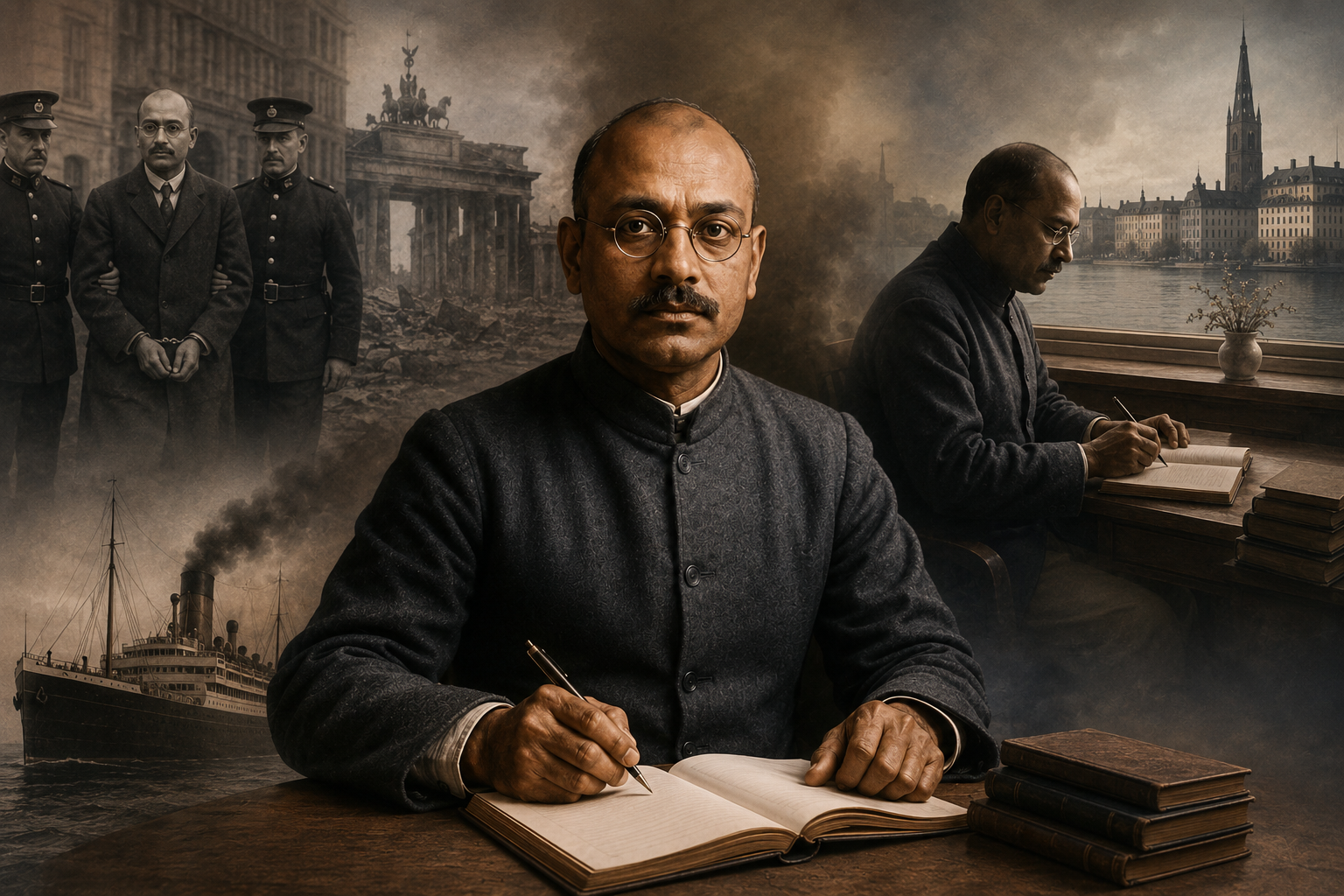
Oxford, Stanford, Sedition: The Improbable Journey Of Har Dayal (Picture Credit – AI Generated)
What The Journey Leaves Behind
Har Dayal is easy to lose in the retelling, because he refuses to stay one thing. He was a scholar and an insurgent, a preacher of violence who ended as an apostle of reform, an Indian patriot who spent almost his entire adult life outside India and died on another continent. Yet the thread is there if you look. Again and again, offered a life of ease, he chose the harder, stranger road. The Ghadar movement he helped set alight fell short of the revolution he wanted, but it seeded a defiance that outlasted him, and it began the moment a young man at Oxford decided that some prizes cost too much to keep.
Latest News


Seasoned Editor and Author with over a decade of experience in literary journalism, author interviews, and publishing trends. Known for curating impac… View More
Original source: https://www.timesnownews.com/lifestyle