Delhi HC Says Live-In Relationships Are ‘Akin To Marriage’: What Couples Should Know
- Produced by: Simran Sukhnani
- Updated Aug 20, 2026, 19:57 IST
The Delhi High Court has said live-in relationships between consenting adults are akin to marriage, reinforcing couples’ right to choose their partners and live together without family interference.
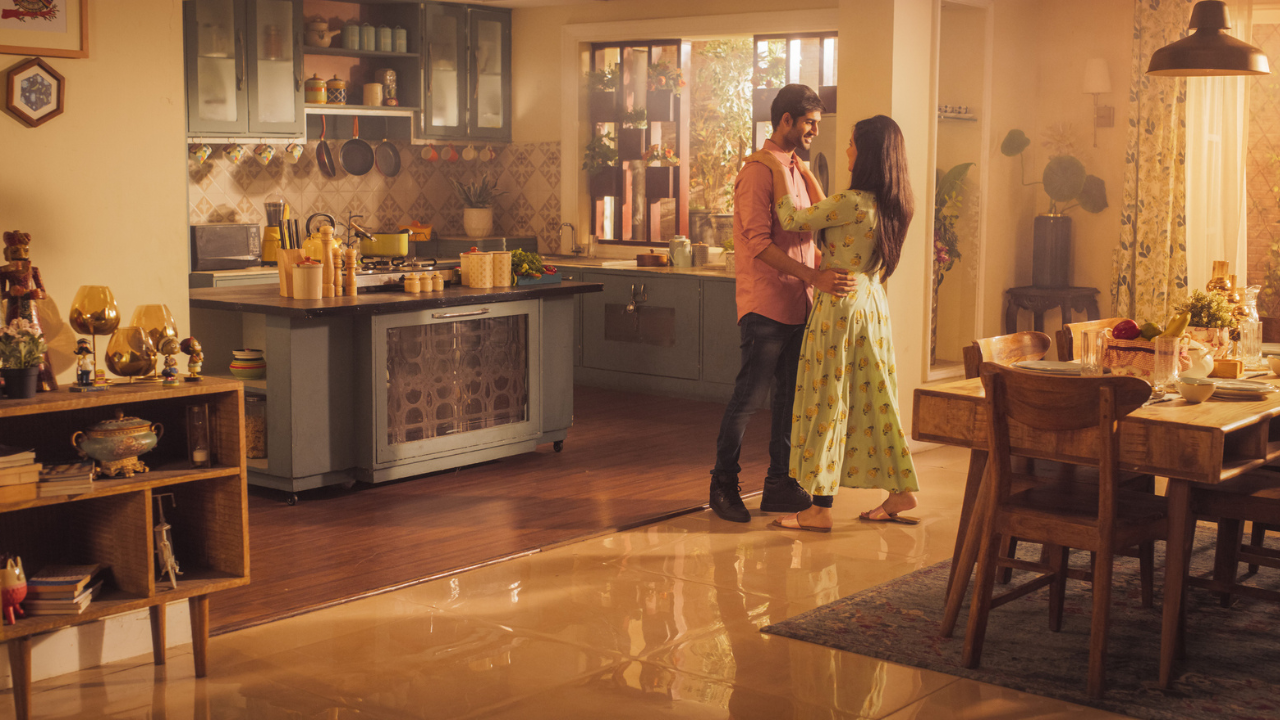
Live in relationship India (Credits: iStock)
In a recent order, the Delhi High Court has said that a live-in relationship between consenting adults is ‘akin to marriage’ and that parents, relatives or friends cannot interfere with the couple’s decision to live together. The court’s observation came while granting police protection to a couple who told the court they were facing threats from the woman’s family over their relationship. The couple, both in their 30s, told the court that they had been living together for some time and intended to marry. However, the woman’s father and brother were allegedly unhappy with the relationship and had threatened the couple with violence. After the couple approached the police, they moved the Delhi High Court seeking protection.
What Does This Mean For Couples?
Justice Saurabh Banerjee, hearing the matter, made it clear that being in a relationship without a marriage certificate does not mean two consenting adults lose their right to decide how they want to live. The court said the couple had the right to choose their partner and reside with them without interference, particularly when both people had entered the relationship willingly and were adults. And that distinction matters.
For many couples, especially in urban India, a live-in relationship is no longer necessarily a halfway point between dating and marriage. For some, it is a conscious choice: sharing a home, managing finances, figuring out compatibility and building a life together without immediately entering a legal marriage. Yet family approval can still become a major part of that equation. The Delhi High Court’s latest observation reinforces an important principle: parents can have opinions about their adult children’s relationships, but an opinion is not the same thing as control.

Live in relationship (Credits: Canva)
Indian Law On Live-In Relationships
The court also referred to the constitutional rights of adults to make personal choices and said that societal morals and prejudices cannot be used to curtail those fundamental rights. In other words, disapproval from family or society does not automatically give anyone the authority to dictate where two consenting adults should live or whom they should live with.
But there is an important catch. Calling a live-in relationship ‘akin to marriage’ does not mean that a live-in couple is legally identical to a married couple in every respect. Marriage continues to carry a distinct set of legal rights, duties and formal protections. The court’s observation in this case was about the couple’s autonomy and their right to live together without unlawful interference.
Indian law has, however, recognised certain protections for people in live-in relationships. The Protection of Women from Domestic Violence Act, 2005, for instance, recognises relationships ‘in the nature of marriage’ and can provide protection against domestic violence in qualifying circumstances. The courts have also repeatedly recognised the broader right of consenting adults to live together. For couples, perhaps the biggest takeaway is less about marriage versus live-in relationships and more about choice.
A relationship can be celebrated by the family, questioned by the family or completely misunderstood by the family. But when two consenting adults choose to build a life together, the law does not give relatives a free pass to threaten, intimidate or forcibly interfere with that decision. Love may still require a conversation with the parents. It does not, this ruling reminds us, require their permission.
Latest News


Simran covers books that start conversations, beauty insights, fashion moods, and stories that make people feel something. Off duty? You’ll find her c… View More
Original source: https://www.timesnownews.com/lifestyle