On Nagasaki Day, Remembering The Man Who Witnessed Two Atomic Bombings and Lived To Tell The World
- Authored by: Simran Sukhnani
- Updated Aug 9, 2026, 16:23 IST
On Nagasaki Day, this article revisits Tsutomu Yamaguchi’s extraordinary journey from Hiroshima to Nagasaki, exploring how he survived both atomic bombings and became a powerful witness to nuclear devastation.
Tsutomu Yamaguchi Nagasaki Day
Every year on August 9, Nagasaki falls silent at 11:02 in the morning. Bells toll, doves are released over Peace Park, and the city remembers the instant ‘Fat Man’ detonated above it in 1945, killing tens of thousands and searing itself into the city’s memory forever. But buried in that history is a story so improbable it sounds invented: a man who lived through Hiroshima’s bombing on August 6, caught a train home, and walked straight into Nagasaki’s bombing three days later. His name was Tsutomu Yamaguchi, and he remains the only person the Japanese government has ever officially recognised as a survivor of both attacks.
Nagasaki Day (Credits: Wikipedia)
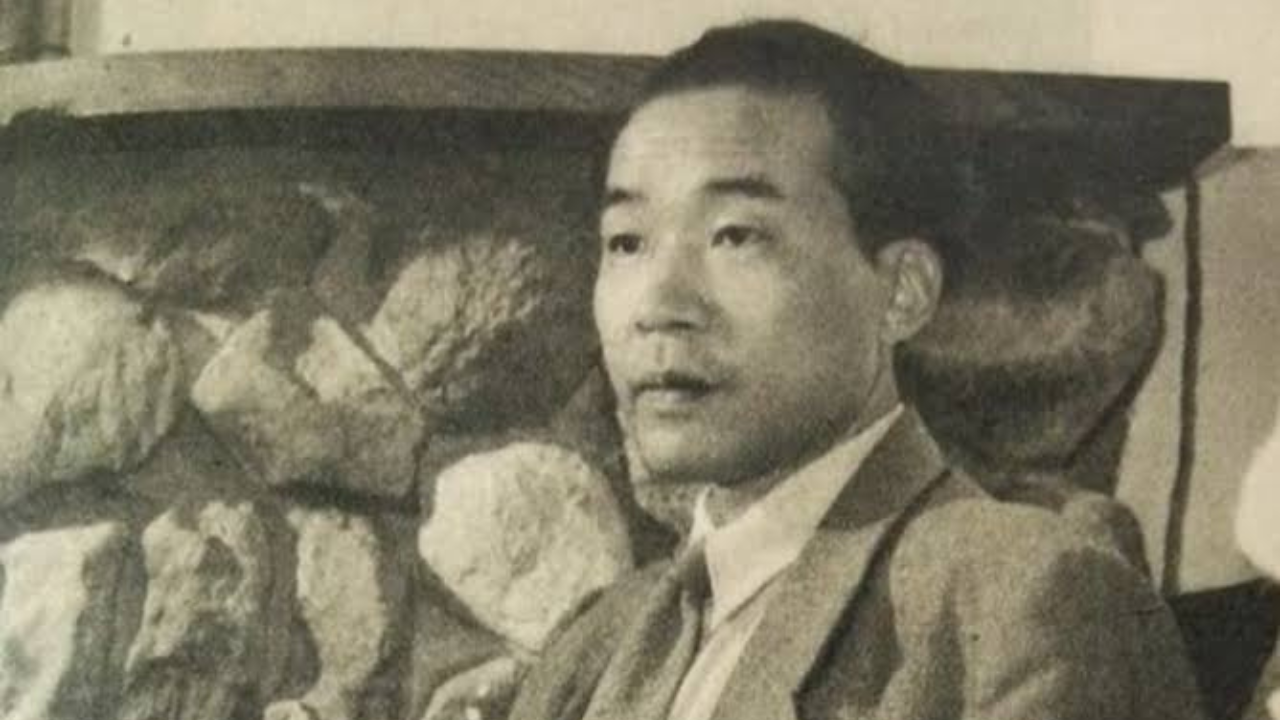
The Story Of Tsutomu Yamaguchi
Yamaguchi was born in Nagasaki on March 16, 1916, and grew up to become a draftsman for Mitsubishi Heavy Industries, designing oil tankers. In the summer of 1945, a three-month posting sent him to Hiroshima to finish work on a new vessel. August 6 was meant to be his last day in the city before heading home to his wife, Hisako, and their infant son. That morning, on his way to the train station, he realised he’d left his travel stamp at the office. He turned back to fetch it, and it was during that short walk that he saw a B-29 release something small, tethered to a parachute, into the sky above him.
The blast threw him to the ground and left him with severe burns across his upper body. He spent the night among the ruins before making his way, bandaged and in agony, back to the station. What followed was a train ride through devastation, he later described wading through a river choked with bodies just to reach the platform. He arrived home in Nagasaki on August 8, checked into hospital, and the next morning went to work anyway, determined to explain to his supervisor what he’d witnessed. He was mid-sentence, describing the flash and the fire, when the room filled with the same blinding light. Nagasaki’s bomb had just gone off almost directly overhead.

Hiroshima Nagasaki Bombing (Credits: Wikipedia)
Somehow, Yamaguchi survived a second time. His wife and son, who had sheltered near the site, survived too, though radiation sickness would follow all of them for years, hair loss, chronic illness, and eventually leukemia for Yamaguchi himself, alongside deafness and cataracts. He kept quiet about the ordeal for decades, building a life as a translator and teacher. It wasn’t until old age that he began speaking publicly, writing a memoir and a book of poetry, and appearing in a 2006 documentary about the roughly 165 known double survivors, or nijū hibakusha.
In 2006, at 90, he stood before the United Nations and called for the abolition of nuclear weapons. He died in 2010, at 93, from stomach cancer. Nagasaki’s mayor called him ‘a precious storyteller.’ His words endure as a warning: proof that survival, however unlikely, carries a responsibility to be heard.
Latest News


Simran covers books that start conversations, beauty insights, fashion moods, and stories that make people feel something. Off duty? You’ll find her c… View More
Original source: https://www.timesnownews.com/lifestyle