Why Everyone Suddenly Wants to Read About Female Rage
- Authored by: Girish Shukla
- Updated Aug 13, 2026, 17:00 IST
The furious, unlikable woman has taken over the bookshop tables. Why women’s anger became publishing’s hottest subject, and what a generation of readers is really looking for in it.
The Furious, Unlikable Woman Has Taken Over Fiction – Here Is Why (Picture Credit – Pinterest)
The wife plotting a cold and perfect revenge. The burnt-out young woman who despises almost everyone she meets. The witch, the murderer, the mother who turns, quite literally, into a beast. On the fiction tables right now, one figure keeps reappearing, furious and entirely unrepentant. Booksellers and readers have even handed her a shelf of her own, female rage fiction, and it has quietly become one of the most bankable categories in publishing. The question worth asking is why anger, and women’s anger in particular, sells so hard just now.
A Shelf That Did Not Exist a Decade Ago
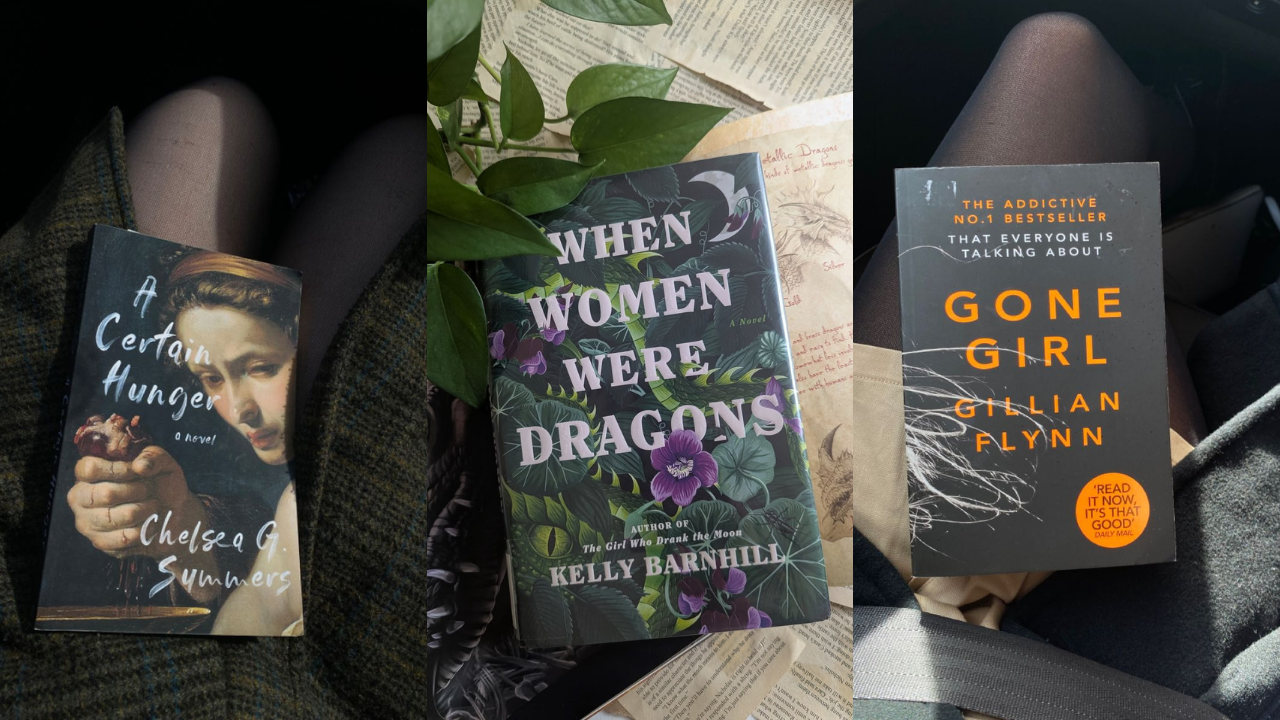
The category is genuinely new, coined over the past few years by bookshops, book clubs and readers online to describe novels built around imperfect, reckless, unapologetically angry women. Its lineage is easy enough to trace. Gillian Flynn cracked it open in 2012 with ‘Gone Girl’ and its icy Cool Girl monologue. Ottessa Moshfegh’s ‘My Year of Rest and Relaxation’ turned the thoroughly unlikable woman into a heroine worth rooting for. Then came the flood. Mona Awad’s ‘Bunny’ and Eliza Clark’s ‘Boy Parts’ pushed into body horror, R.F. Kuang’s ‘Yellowface’ seethed about publishing and race, and Rachel Yoder’s ‘Nightbitch’ watched a stifled mother begin turning into a dog. Kelly Barnhill’s ‘When Women Were Dragons’ sent thousands of wives sprouting wings and flying out of their marriages. Even the old myths were reclaimed, with Madeline Miller’s ‘Circe’ recasting an ancient tale as a study of a woman’s anger becoming her power. The appetite runs deep into genre fiction too, from Chelsea Summers’s cannibal food critic in ‘A Certain Hunger’ to the burn-it-all-down heroines of feminist fantasy, where the wronged woman does not merely seethe but razes the system.
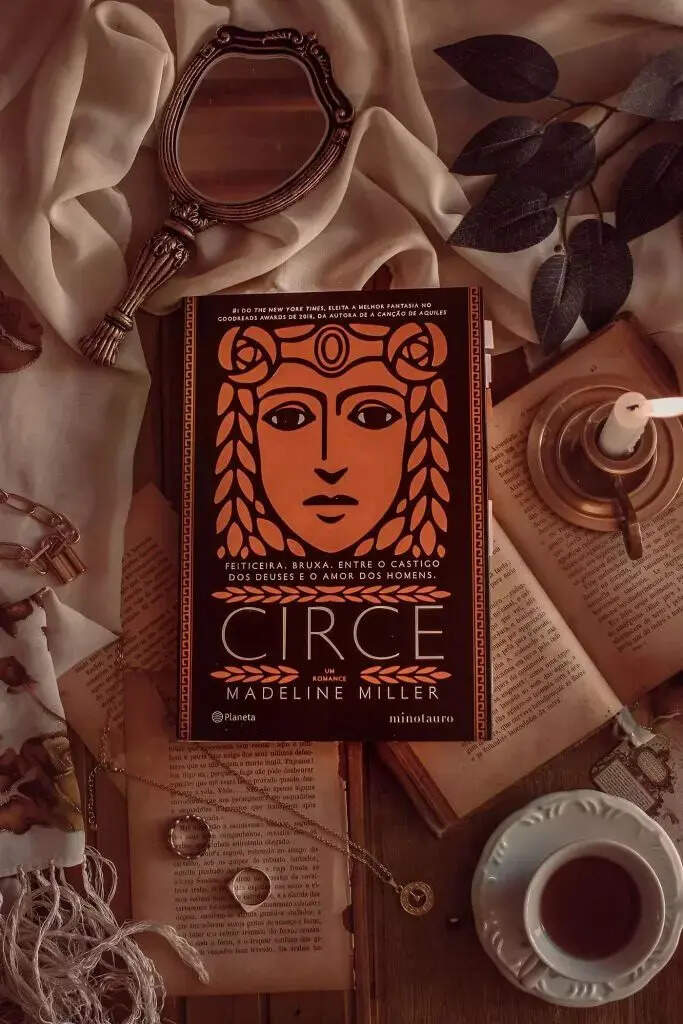
Circe (Picture Credit – Pinterest)
Permission, Not Just Escapism
The fiction did not arrive from nowhere. The nonfiction sounded the note first. In 2018, in the immediate wake of MeToo, three books landed almost at once, Rebecca Traister’s ‘Good and Mad’, Soraya Chemaly’s ‘Rage Becomes Her’ and Brittney Cooper’s ‘Eloquent Rage’, each arguing that women’s anger was not a defect to be managed but a legitimate and even revolutionary force. Fiction took up the case and dramatised it, abandoning the old demand that a heroine be pleasant. A political climate that has left a great many women feeling vulnerable and unheard sharpened the appetite, and social media handed it a megaphone. Above all, the books offer catharsis. To read a woman raging freely on the page is a release valve for the anger that real life still quietly punishes women for showing. The genre’s refusal to make its women tidy or moral is precisely its draw, since a reader long told to smile finds, on the page at last, someone who simply will not.
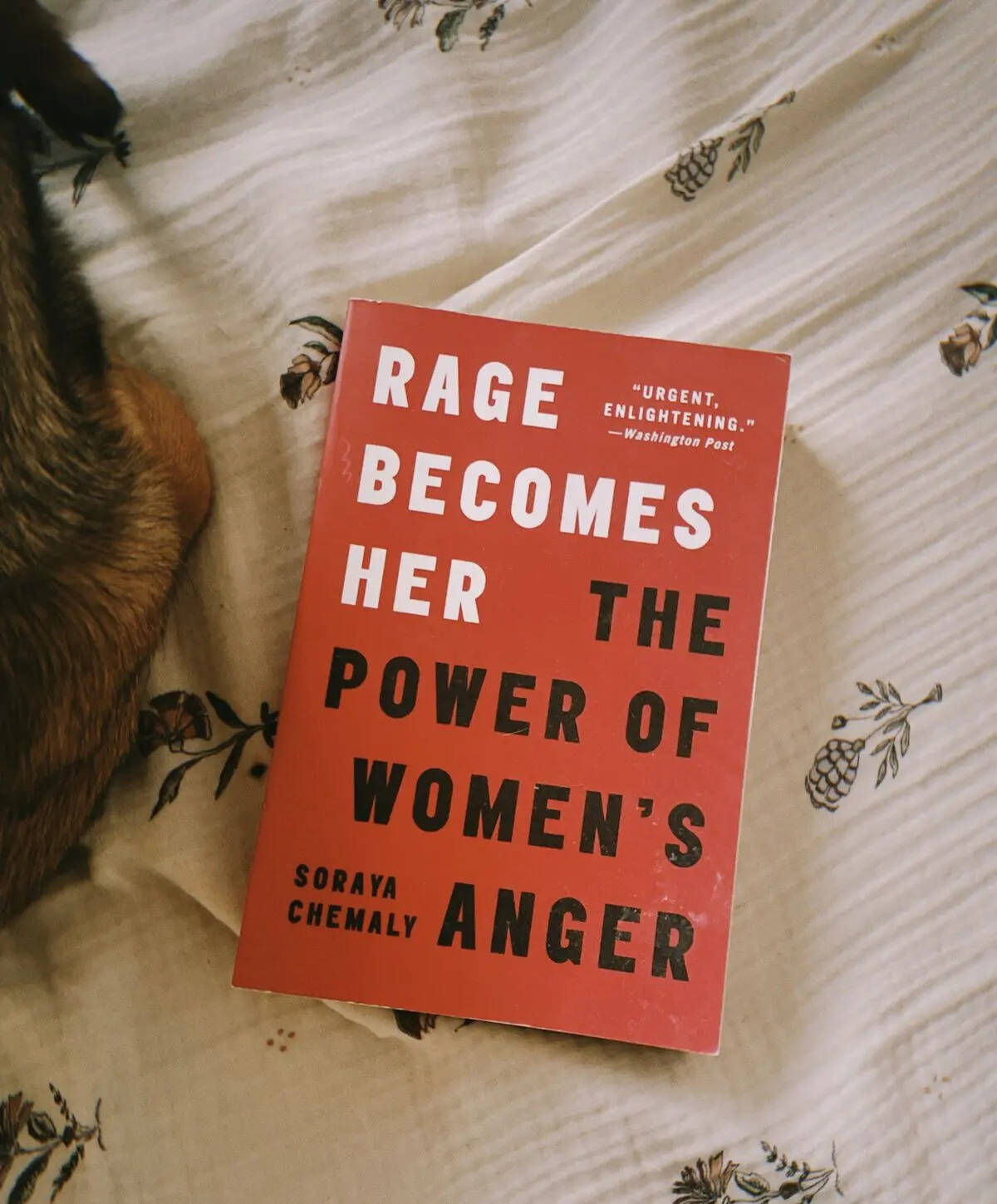
Rage Becomes Power (Picture Credit – Pinterest)
Here the trend reveals what it is really about, and it is not shock or spectacle. It is recognition. For centuries the novel asked its women to be good, patient and pleasant, and expected the reader to root for the heroine who endured in silence. Female rage fiction says the quiet part out loud, that a woman was entitled to be furious the whole time, and that her fury might be the sanest possible response to the life she was handed. People are reaching for them not to be taught anger, but to feel less alone in already carrying it. The novels are not manufacturing rage. They are, at last, giving it a witness.
Latest News


Seasoned Editor and Author with over a decade of experience in literary journalism, author interviews, and publishing trends. Known for curating impac… View More
Original source: https://www.timesnownews.com/lifestyle