The Classic Book That Proves Some Of Literature’s Oldest Fears Have Come True
- Authored by: Girish Shukla
- Updated Aug 18, 2026, 14:00 IST
E. M. Forster’s The Machine Stops imagined screen-bound lives, technological dependence and fading human skills in 1909, making its warning feel eerily familiar in the age of AI today, too.
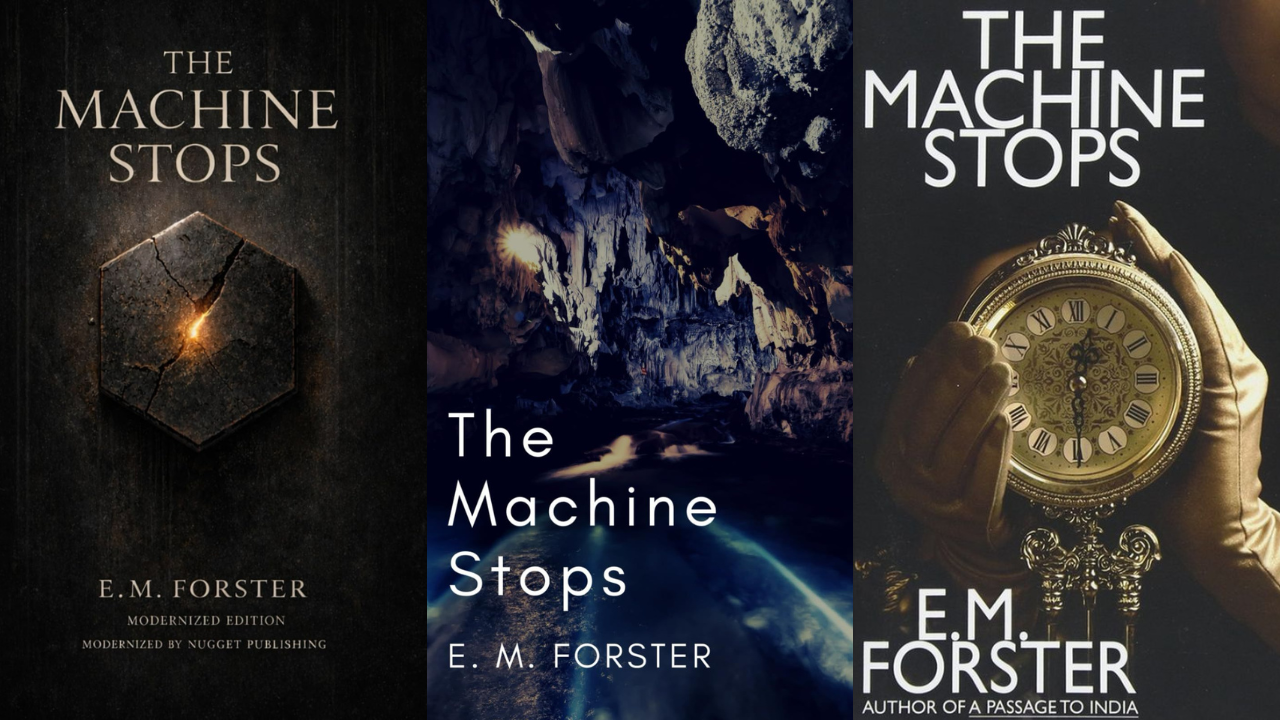
The Classic Book That Sounds Uncomfortably Familiar In The Age Of AI (Picture Credit – Pinterest)
Long before smartphones, social media or video calls, E. M. Forster imagined people living alone in small rooms, communicating through screens and relying upon an enormous technological system for almost everything they needed. Published in 1909, ‘The Machine Stops’ can now feel less like speculative fiction than an uncomfortable reflection of modern life. Yet calling Forster a technological prophet misses his more disturbing achievement. He understood that convenience could change not only how humans live, but what they eventually stop valuing.
A Future Built Around Convenience
Forster’s world is largely underground. People occupy individual rooms while the all-encompassing Machine supplies food, music, literature, communication and other necessities at the touch of a button. Travelling is considered unnecessary, physical contact has fallen out of favour, and conversation can take place remotely through technology.
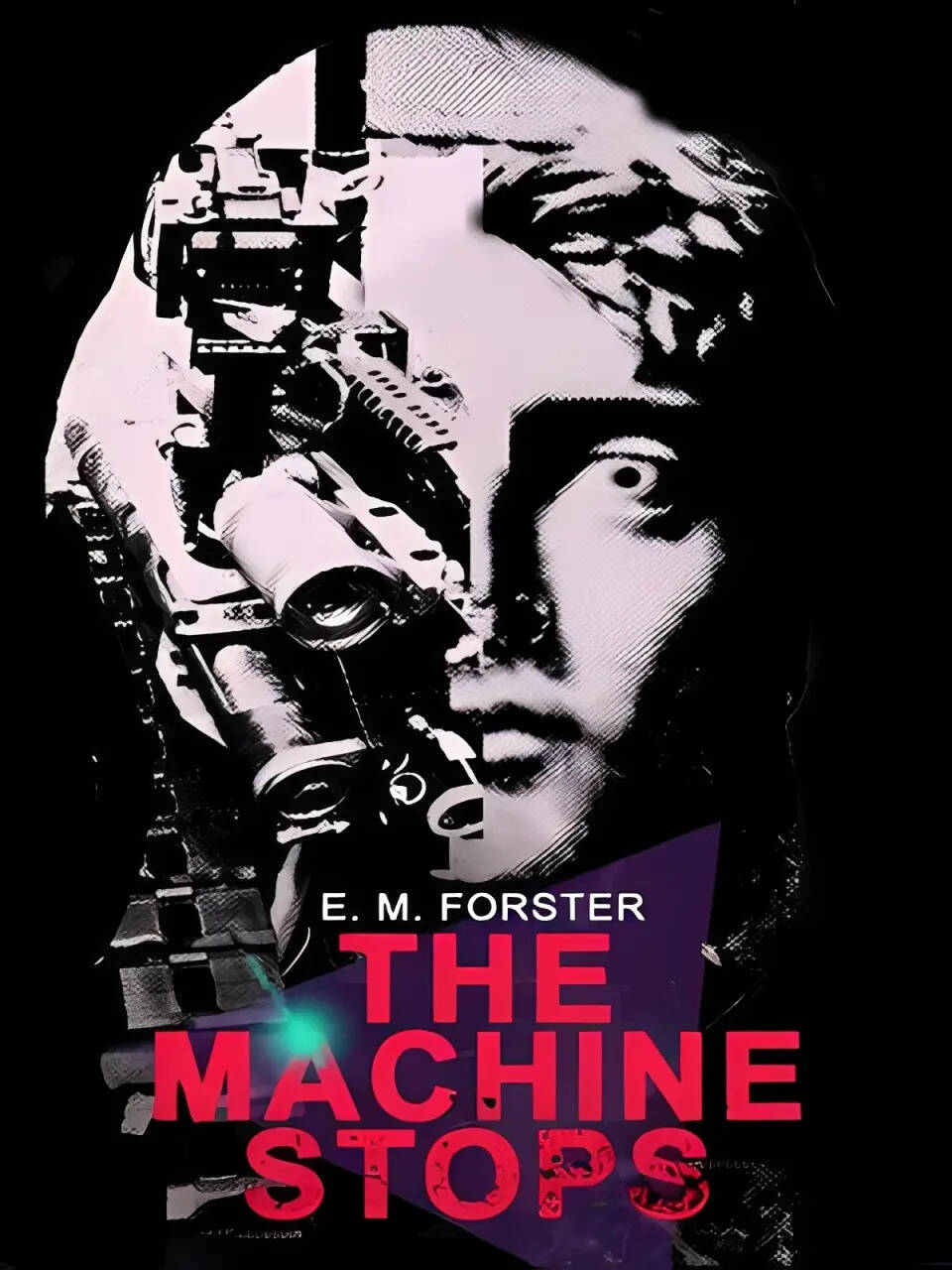
The Machine Stops (Picture Credit – Pinterest)
At the centre are Vashti and her son Kuno. Vashti is perfectly adapted to this existence. Kuno is not. He wants direct experience, physical movement and contact with the world above ground. Their disagreement becomes the intellectual heart of the story. Vashti sees technology as a means of liberation from inconvenience. Kuno sees what humanity surrendered in exchange.
It is difficult to encounter their world today without recognising something of our own.
Forster Was Interested In People, Not Gadgets
The obvious temptation is to compile everything Forster seemingly anticipated. Remote communication resembles video calling. People consume lectures and entertainment without leaving their rooms. Thousands of connections coexist with physical isolation. An immense technological network mediates everyday existence.
But ‘The Machine Stops‘ becomes far more interesting when treated as something other than a century-old prediction of the internet.
Forster’s real subject is dependence. Technology initially serves humanity, but gradually people become incapable of imagining life without it. Practical knowledge disappears. First-hand experience becomes suspect. Eventually, the Machine acquires an almost religious authority, while those who question it are treated as threats.
The danger is not that technology becomes evil. It is that human beings surrender so much agency that they no longer know what to do when technology fails.
The Fear That Now Feels Familiar
That distinction makes the story particularly relevant in 2026. Modern life depends upon interconnected digital systems for communication, banking, work, transport, entertainment, commerce and increasingly artificial intelligence. None of that makes Forster’s fictional Machine an exact analogue for the internet, nor does technological dependence automatically produce his dystopia.
What feels recognisable is the trade being made. Convenience repeatedly removes reasons to exercise older abilities. Navigation apps reduce the need to remember routes. Algorithms choose what people watch. Digital communication can replace encounters that once required physical presence. AI can increasingly perform intellectual tasks people previously had to undertake themselves.
Forster’s fear was not simply that machines would become capable. It was that humans might become less capable beside them.
Why The Machine Stops Still Matters
The story’s title tells us from the beginning that this arrangement cannot last. When failures begin appearing, society discovers that generations of dependence have left people poorly equipped to repair the system sustaining them. The infrastructure has become indispensable while understanding of it has diminished.
That is what makes ‘The Machine Stops’ such an extraordinary classic. Its most unsettling prediction is not a device or screen. It is a human habit.
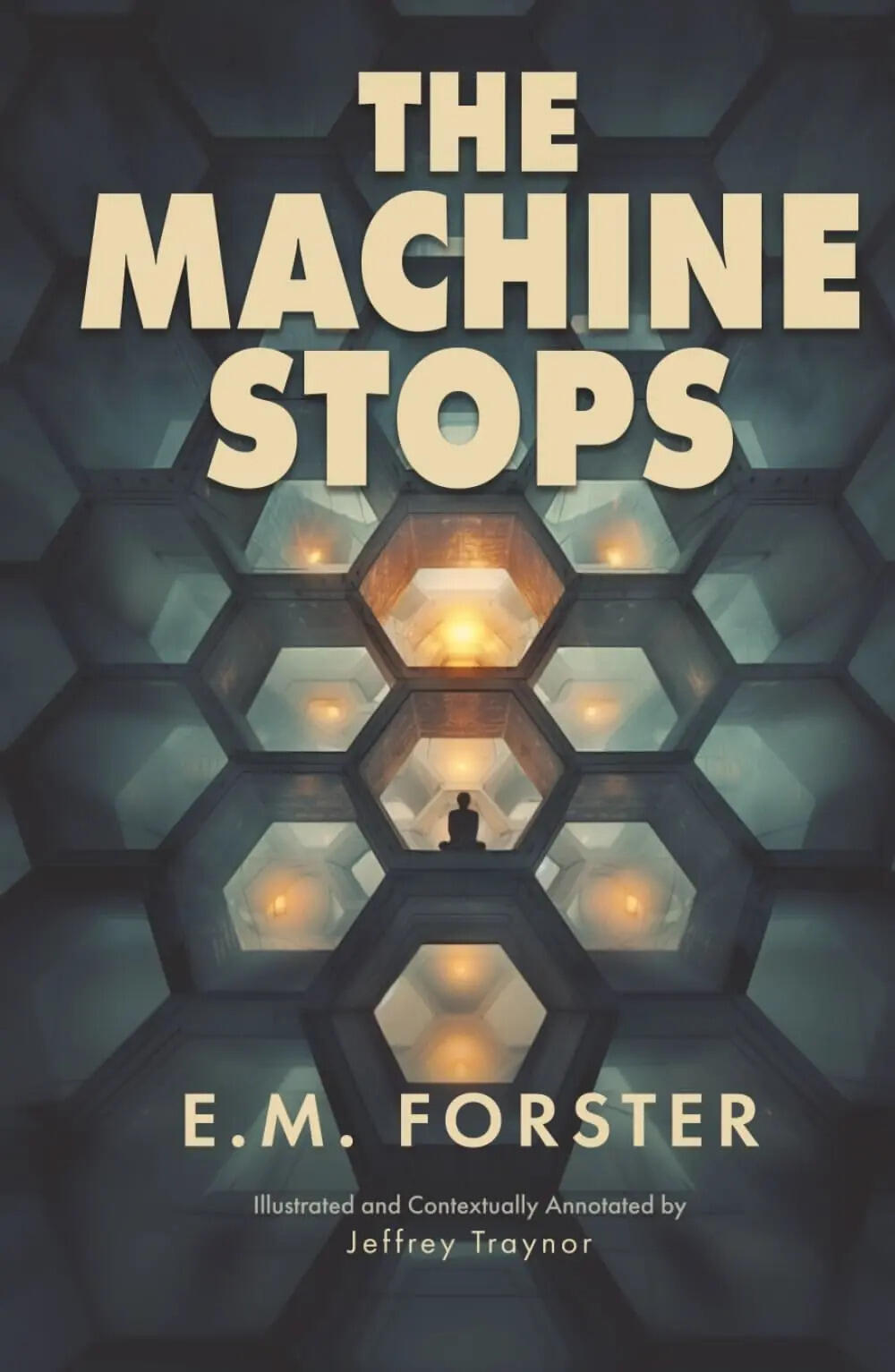
The Machine Stops by EM Forster (Picture Credit – Pinterest)
Forster understood more than a century ago that civilisation could mistake convenience for progress and connection for intimacy. His giveaway is worth carrying into the AI age: technology becomes most dangerous not necessarily when it can do everything, but when we quietly forget what we should still be able to do ourselves.
Latest News


Seasoned Editor and Author with over a decade of experience in literary journalism, author interviews, and publishing trends. Known for curating impac… View More
Original source: https://www.timesnownews.com/lifestyle