Trump’s Kim Jong Un Gambit: Why the President Wants Another Summit With North Korea
- Edited by: Rounak Bagchi
- Updated Aug 19, 2026, 07:36 IST
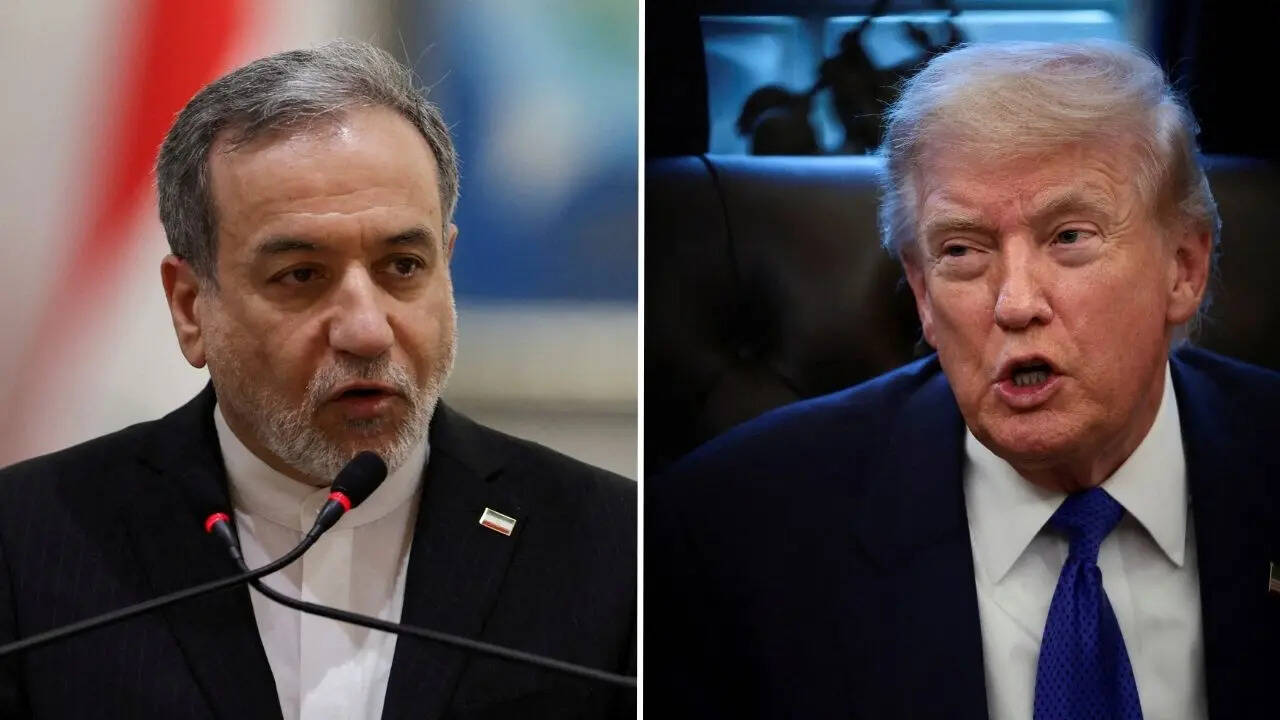
Trump’s interest indicates a desire for a significant foreign policy achievement, especially as negotiations with Iran falter
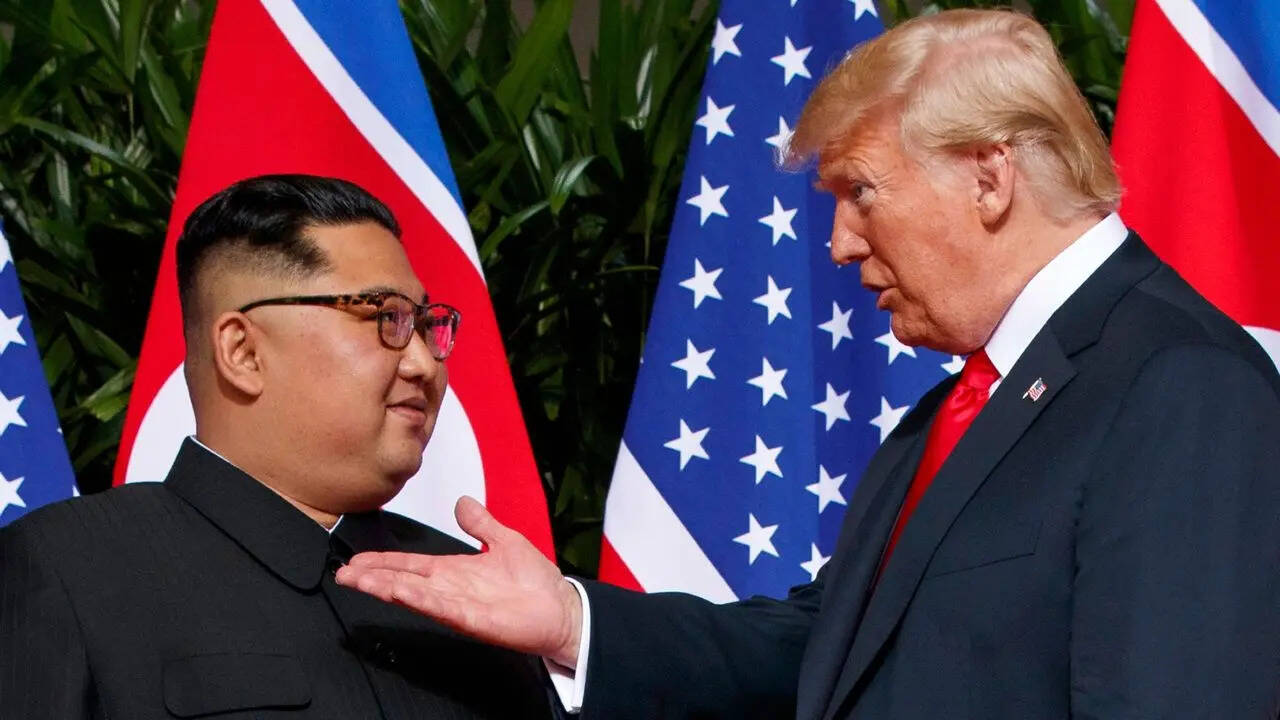
US President Donald Trump with North Korean leader Kim Jong Un during a meeting in 2018.
US President Donald Trump is pushing aides to arrange a meeting with North Korean leader Kim Jong Un as early as this autumn, US officials told The Wall Street Journal, in a bid to revive diplomacy over Pyongyang’s nuclear programme. Trump has privately discussed meeting Kim during his next trip to Asia, potentially in November when world leaders are expected to gather for the Asia-Pacific Economic Cooperation (Apec) summit in Shenzhen, China, according to the officials.
No formal planning is under way, but the President’s interest in another high-level meeting suggests he is seeking a major foreign policy breakthrough as efforts to secure a victory in Iran remain elusive.
Trump and Kim held three summits during his first term, but failed to reach an agreement on dismantling North Korea’s nuclear programme.
Most US Presidents have avoided meeting Kim without preconditions. Analysts and some US officials have warned that another summit may produce little progress, while North Korea’s nuclear arsenal has grown considerably since the previous meetings.
“It appeases yet another despotic dictator based on a misperception that a personal relationship will actually achieve US foreign policy objectives,” Bruce Klingner, a former senior Central Intelligence Agency officer specialising in the Koreas, told WSJ.
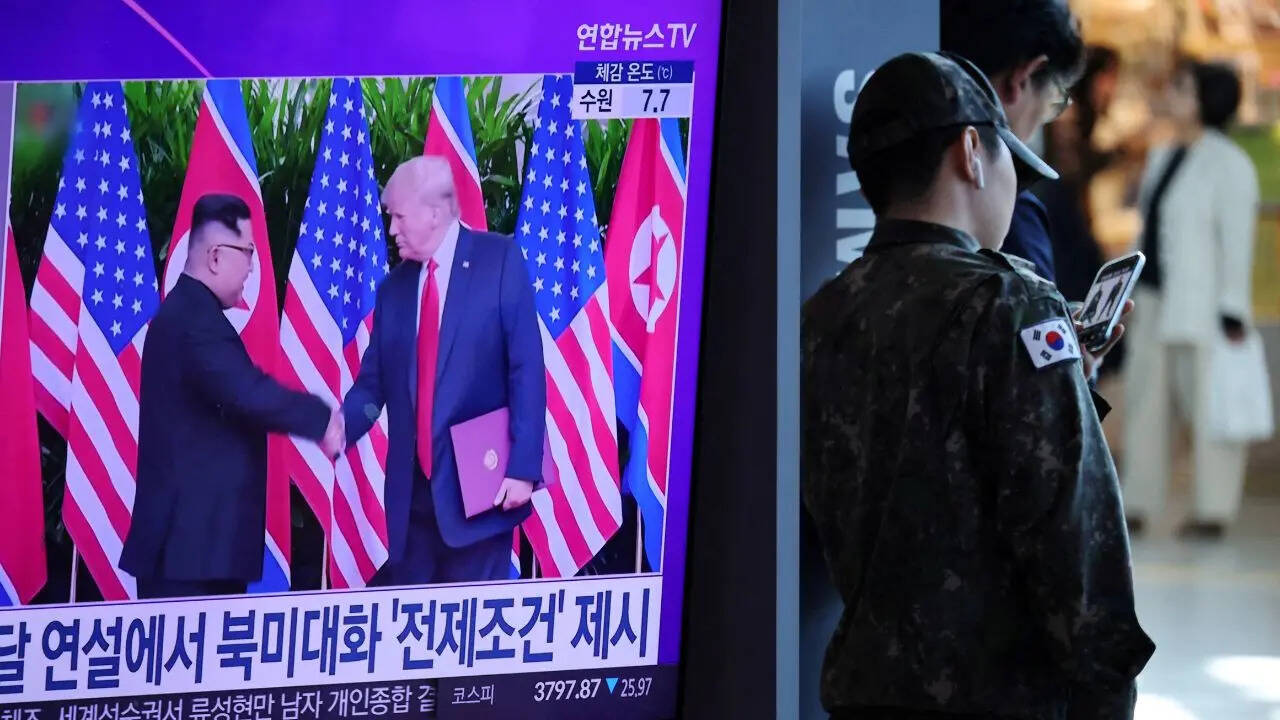
A South Korean soldier stands next to a TV broadcasting a news report on a possible summit between North Korean leader Kim Jong Un and US President Donald Trump.
Trump Renews Push for Talks
Trump also attempted to meet Kim during an Asia trip last year, asking reporters aboard Air Force One to “put out the word” that he wanted to speak with the North Korean leader. Pyongyang quietly indicated that it was open to the idea, according to US officials, but the meeting could not be organised at short notice.
Trump later said a meeting with Kim might have overshadowed his planned talks with Chinese President Xi Jinping in South Korea.
It would have been “maybe disrespectful,” Trump said after his 100-minute meeting with Xi. “I’d come back, with respect to Kim Jong Un.”
On Sunday, Trump ordered a reduction in a joint US-South Korean military exercise, citing in part his “very good relationship with Kim Jong Un”.
The move echoed measures taken during his first term to reduce tensions with Pyongyang ahead of his summits with Kim.
Trump later said the decision was also linked to South Korea’s failure to help the US reopen the Strait of Hormuz. He also acknowledged that Kim had responded to his recent overtures, although he did not provide details.
“He’s made clear that he wants to meet Kim again,” said Victor Cha, a North Korea expert at the Center for Strategic and International Studies. “These exercises presented him an opportunity to do something concrete to show Kim he is serious about meeting,” Cha said.
The South Korean embassy in Washington said it hoped the “friendly relationship” between Trump and Kim would lead to “meaningful dialogue” and greater stability on the Korean peninsula.
North Korea’s Nuclear Arsenal Has Grown
Trump’s renewed diplomacy comes as North Korea’s nuclear and missile capabilities have expanded. In 2018, Trump and Kim signed the Singapore Declaration, setting out a framework for nuclear negotiations. They met again in Hanoi in 2019, but talks collapsed after Trump rejected Kim’s demand for sanctions relief without an agreement to dismantle all of North Korea’s nuclear activities.
A subsequent meeting at the Korean demilitarised zone also failed to break the deadlock.
Independent arms-control experts have estimated that North Korea could have around 60 nuclear warheads and enough fissile material for as many as 90. But Jeffrey Lewis, an expert on North Korea’s nuclear programme at Stanford University, said those estimates were based on assessments made nearly a decade ago and were likely now too low.
“North Korea’s arsenal is probably in the low hundreds at this point, based on the hundreds of missile launchers it has displayed and the growing amount of plutonium and highly enriched uranium it produces every year,” Lewis said.
A US intelligence assessment in March said North Korea remained committed to expanding its strategic weapons programmes, including missiles and nuclear warheads, and strengthening its deterrent.
Latest News


Rounak is a journalist with over 7 years of experience covering geopolitical and international affairs. He has a keen interest in research and explain… View More
Original source: https://www.timesnownews.com/delhi