The Pronunciation And Meaning Of India’s National Song Vande Mataram
- Authored by: Akanksha Arora
- Updated Aug 17, 2026, 15:58 IST
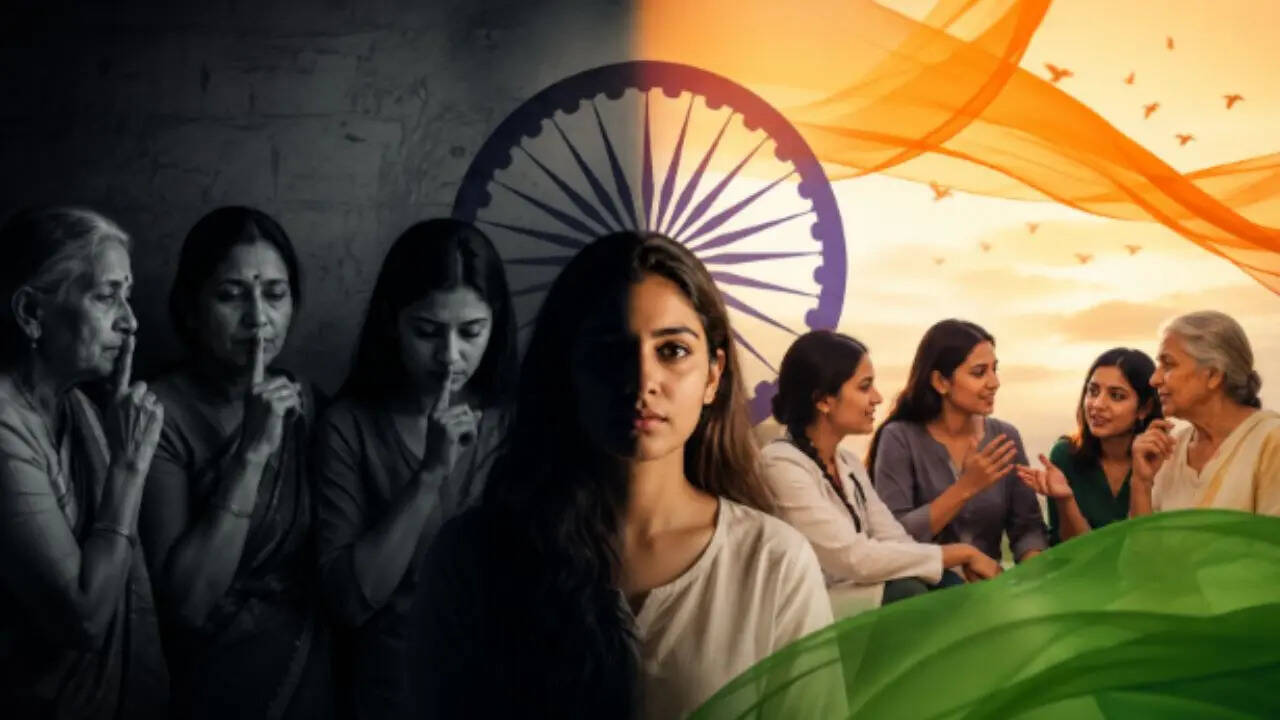
As Vande Mataram takes centre stage at official events, here is the complete six-stanza rendition, easy pronunciation guide, English meaning and fascinating history.
Everything about Vande Mataram. (Image: Canva)
Earlier this year, the Union home ministry ordered that a full six-stanza rendition of Vande Mataram, lasting 3 minutes and 10 seconds, should be played or sung at several official events. These include flag-hoisting ceremonies, the President’s arrival at functions, before and after her speeches to the nation, and around governors’ arrivals and addresses.
As per a 10-page directive dated January 28, the ministry specified that whenever both the national song and the national anthem, Jana Gana Mana, are performed together, Vande Mataram must come first, with the audience standing at attention throughout. The note clarified that people are expected to stand whenever the official version of the national song is played or sung. This directive was circulated in both English and Hindi to all states, union territories, ministries, and constitutional bodies.
The order also listed various settings where the song can appropriately be played, including school assemblies. This step came in an attempt to broaden the government’s effort to promote Vande Mataram, following a contentious parliamentary debate held to commemorate the song’s 150th anniversary.
Here is Vande Mataram, with stanza by stanza pronunciation and English translation.
Vande Mataram Pronunciation
Vande Mataram
VAHN-day Maa-ta-ram
Sujalām suphalām malayaja-śītalām
Soo-ja-laam Soo-fa-laam Ma-la-ya-ja Shee-ta-laam
Śasya-śyāmalām Mātaram
Shas-ya Shyaa-ma-laam Maa-ta-ram
Vande Mataram
VAHN-day Maa-ta-ram
Śubhra-jyotsnām pulakita-yāminīm
Shoo-bhra Jyot-snaam Poo-la-ki-ta Yaa-mi-neem
Phulla-kusumita druma-dala-śobhinim
Phool-la Ku-soo-mi-ta Dru-ma Da-la Sho-bhi-nim
Suhāsinīm sumadhura bhāṣinim
Soo-haa-si-neem Soo-ma-dhoo-ra Bhaa-shi-nim
Sukhadām varadām Mātaram
Soo-kha-daam Va-ra-daam Maa-ta-ram
Vande Mataram
VAHN-day Maa-ta-ram
Koṭi-koṭi kaṇṭha kalakala nināda karāle
Ko-ti Ko-ti Kan-tha Ka-la-ka-la Ni-naa-da Ka-raa-lay
Koṭi-koṭi bhujair dhṛta kharakaravāle
Ko-ti Ko-ti Bhu-jair Dhri-ta Kha-ra-ka-ra-vaa-lay
Ke bole Mā tumi abale!
Kay Bo-lay Maa Too-mi A-ba-lay!
Bahubaladhāriṇīm namāmi tāriṇīm
Ba-hoo-ba-la-dhaa-ri-neem Na-maa-mi Taa-ri-neem
Ripudala-vāriṇīm Mātaram
Ri-poo-da-la Vaa-ri-neem Maa-ta-ram
Vande Mataram
VAHN-day Maa-ta-ram
Tumi vidyā, tumi dharma
Too-mi Vid-yaa, Too-mi Dhar-ma
Tumi hṛdi, tumi marma
Too-mi Hri-di, Too-mi Mar-ma
Tvam hi prāṇaḥ śarīre
Tvam Hee Praa-nah Sha-ree-ray
Bāhute tumi Mā śakti
Baa-hoo-tay Too-mi Maa Shak-ti
Hṛdaye tumi Mā bhakti
Hri-da-yay Too-mi Maa Bhak-ti
Tomārai pratima gaṛi mandire-mandire
To-maa-rai Pra-ti-ma Ga-ri Man-di-ray Man-di-ray
Vande Mataram
VAHN-day Maa-ta-ram
Tvam hi Durgā daśa-praharaṇa-dhāriṇī
Tvam Hee Door-gaa Da-sha Pra-ha-ra-na Dhaa-ri-neee
Kamalā kamala-dala-vihāriṇī
Ka-ma-laa Ka-ma-la Da-la Vi-haa-ri-neee
Vāṇī vidyā-dāyinī
Vaa-nee Vid-yaa Daa-yi-neee
Namāmi tvām namāmi kamalām
Na-maa-mi Tvaam Na-maa-mi Ka-ma-laam
Amalām atulām
A-ma-laam A-too-laam
Sujalām suphalām Mātaram
Soo-ja-laam Soo-fa-laam Maa-ta-ram
Vande Mataram
VAHN-day Maa-ta-ram
Śyāmalām saralām susmitām bhūṣitām
Shyaa-ma-laam Sa-ra-laam Soo-smi-taam Bhoo-shi-taam
Dharaṇim bharaṇīm Mātaram
Dha-ra-nim Bha-ra-neem Maa-ta-ram
Vande Mataram
VAHN-day Maa-ta-ram
Meaning In English
Mother,I praise thee!
Rich with thy hurrying streams,
Bright with thy orchard gleams,
Cool with the winds of delight,
Dark fields waving, Mother of might,
Mother free.
Glory of moonlight dreams,
Over thy branches and lordly streams,
Clad in thy blossoming trees,
Mother, giver of ease,
Laughing low and sweet,
Mother, I kiss thy feet,
Speaker sweet and low,
Mother, to thee I bow.
Who hath said thou art weak in thy lands,
When the swords flash out in seventy million hands,
And seventy million voices roar
Thy dreadful name from shore to shore?
With many strengths who art mighty and strong,
To thee I call, Mother and Lord!
Thou who savest, arise and save!
To her I cry who ever her foemen drove
Back from plain and Sea
And shook herself free.
Thou art wisdom, thou art law,
Thou art heart, our soul, our breath
Thou art love divine, the awe
In our hearts that conquers death.
Thine the strength that nerves the arm,
Thine the beauty, thine the charm.
Every image divine.
In our temples is but thine.
Thou art Goddess Durga, Lady and Queen,
With her hands that strike and her swords of sheen,
Thou art Goddess Kamala (Lakshmi), lotus-throned,
And Goddess Vani (Saraswati), bestower of wisdom known
Pure and perfect without peer,
Mother lend thine ear,
Rich with thy hurrying streams,
Bright with thy orchard gleams,
Dark of hue O candid-fair
In thy soul, with jewelled hair
And thy glorious smile divine,
Loveliest of all earthly lands,
Showering wealth from well-stored hands!
Mother, mother mine!
Mother sweet, I bow to thee,
Mother great and free!
History Of Vande Mataram
Vande Mataram was composed by Bankim Chandra Chattopadhyay in 1875, initially in Sanskrit-inflected Bengali, and later included in his 1882 novel Anandamath. Set to a tune blending classical raga elements, it soon became a rallying cry during Bengal’s Swadeshi movement and India’s broader freedom struggle. It was sung at protests against the 1905 Partition of Bengal. Rabindranath Tagore first performed it publicly at the 1896 Congress session. In 1950, independent India formally recognised it alongside Jana Gana Mana, granting it equal honour as the national song of the Republic.
Lifestyle News: Get latest lifestyle fashion trends news, make up and beauty tips, hairstyles, celeb fashion looks and many more on TimesNowNews.
Latest News


Senior Copy Editor at Times Network, Akanksha Arora covers Lifestyle, Culture and everything that falls under its big umbrella. When not writing, she … View More
Original source: https://www.timesnownews.com/lifestyle